A sore jaw or aching gum at the very back of your mouth can quickly make eating, talking, and even sleeping uncomfortable. Wisdom tooth pain often develops when a third molar starts coming through the gum, lacks enough room to erupt normally, or causes inflammation around nearby tissue. While mild discomfort can sometimes settle, persistent or severe pain may point to impaction, infection, decay, or another dental problem that needs treatment.
Wisdom teeth usually appear in the late teens or early adulthood, although the timing varies widely. Some people never develop them, while others have one or more wisdom teeth that remain below the gum.
Knowing why the area hurts can help you decide whether simple home care is reasonable or whether it is time to make a dental appointment.
What Does Wisdom Tooth Pain Feel Like?
The sensation varies depending on what is happening beneath or around the gum. For example, an erupting tooth may cause dull pressure or tenderness. On the other hand, inflammation around a partially erupted wisdom tooth can produce stronger, throbbing discomfort.
Common symptoms include soreness behind the last molar, swollen or tender gums, jaw discomfort, pain while chewing, and sensitivity around the affected tooth. Some people also notice that the pain seems to spread toward the ear, temple, or throat on the same side.
The typical wisdom tooth pain area is the very back of the upper or lower jaw. However, referred pain can make it difficult to identify the exact tooth without a dental examination.
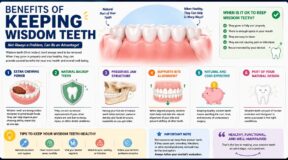
If you are deciding whether an uncomfortable wisdom tooth necessarily needs extraction, learning about the benefits of keeping wisdom teeth can provide useful context. Healthy, fully erupted wisdom teeth may sometimes remain in place when they are functional, easy to clean, and not damaging nearby structures.
Common Causes of Wisdom Tooth Pain
Several problems can make a wisdom tooth hurt. Therefore, the right treatment depends on the underlying cause rather than pain intensity alone.
A Wisdom Tooth Is Erupting
As a wisdom tooth pushes through the gum, the surrounding tissue can become tender. You may notice pressure, mild swelling, or intermittent soreness.
This discomfort may come and go as the tooth erupts. However, pain should not automatically be dismissed as normal growing pain, especially when it becomes severe or occurs with other symptoms.
The Tooth Is Impacted
An impacted wisdom tooth cannot erupt normally because bone, gum, or another tooth blocks its path. For instance, it may grow at an angle toward the neighboring second molar or remain partly or completely trapped beneath the gum.
Impaction does not always cause symptoms. When problems occur, though, people may experience pain, swelling, difficulty cleaning the area, or damage to the neighboring tooth.
Gum Tissue Becomes Inflamed or Infected
A partially erupted wisdom tooth can leave a flap of gum over part of its surface. Food debris and bacteria may collect beneath this tissue, leading to inflammation called pericoronitis.
As inflammation progresses, the gum may become red, swollen, and painful. A bad taste, unpleasant breath, difficulty opening the mouth, or pain when swallowing may also occur.
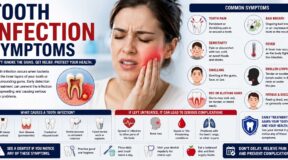
Because some warning signs overlap with other tooth infection symptoms, worsening swelling, fever, drainage, or significant facial pain deserves prompt professional attention.
Tooth Decay or Gum Disease Develops
Wisdom teeth sit far back in the mouth, so brushing and flossing them can be difficult. As a result, plaque can accumulate around them.
Decay can then cause sensitivity or toothache. Likewise, gum disease around a wisdom tooth may produce tenderness, bleeding, swelling, or discomfort during chewing.
Pressure Affects Nearby Structures
A poorly positioned wisdom tooth may contribute to problems involving the tooth directly in front of it. However, jaw pain has many possible causes, so pressure alone should not be assumed to explain every ache near a wisdom tooth.
A dentist can assess the tooth’s position and determine whether another dental or jaw condition is responsible.
How Long Does Wisdom Tooth Growing Pain Last?
People often ask how long does wisdom tooth growing pain last, but there is no single timeline. Mild eruption discomfort may last for several days and then improve. In some cases, soreness returns periodically as more of the tooth emerges.
Persistent pain is different. If discomfort continues, repeatedly returns, becomes stronger, or interferes with eating and sleeping, an impacted tooth, inflammation, decay, or infection may be involved.
Therefore, do not use a specific number of days as the only measure of whether a problem needs attention. The pattern and severity of symptoms matter as well.
Wisdom Tooth Pain Relief You Can Try at Home
Home care may temporarily ease mild symptoms while you arrange dental care or wait for minor irritation to settle. However, these measures do not correct problems such as impaction or significant infection.
Rinse Gently With Warm Salt Water
A warm salt-water rinse can help clean the area around an erupting tooth and soothe irritated gum tissue. Mix salt into comfortably warm water, gently rinse, and spit it out rather than swallowing it.
Avoid extremely hot water because it can irritate sensitive tissue.
Keep the Back of Your Mouth Clean
Although brushing a painful area can feel uncomfortable, plaque and trapped food may worsen gum irritation. Therefore, gently clean around the back molars with a soft-bristled toothbrush.
Do not aggressively poke beneath swollen gum tissue. Instead, use gentle oral hygiene and ask your dentist how to clean a difficult partially erupted tooth safely.
Consider Over-the-Counter Pain Medicine
For people who can safely take them, common over-the-counter pain medicines such as ibuprofen or acetaminophen may provide temporary wisdom tooth pain relief. Follow the product label and avoid exceeding the recommended dose.
However, some medicines are not suitable for everyone. Pregnancy, allergies, kidney or liver disease, stomach ulcers, blood-thinning medication, and other health factors can affect which pain relievers are appropriate. A pharmacist, dentist, or doctor can provide individualized guidance.
Never place aspirin directly against the painful gum or tooth. Doing so can irritate or damage oral tissue.
Choose Foods That Do Not Irritate the Area
Chewing crunchy, hard, sticky, or very spicy foods around an inflamed wisdom tooth may increase discomfort. Instead, softer meals can make eating easier until the irritation settles or you receive treatment.
If extraction becomes necessary, the recommended foods to eat after wisdom teeth removal can differ during the first few recovery days because protecting the surgical area becomes a priority.
How to Stop Wisdom Tooth Pain When It Keeps Returning
If you are searching for how to stop wisdom tooth pain permanently, the first step is identifying its cause. Home remedies can reduce symptoms, but they cannot change the position of an impacted tooth or repair decay.
A dentist will usually examine the mouth and gums. Dental X-rays may also help the dentist evaluate the position of the wisdom teeth, their roots, nearby teeth, and surrounding bone.
Treatment then depends on the findings. For example, a dentist may clean an inflamed area, treat decay when appropriate, manage an infection, or recommend extraction if the wisdom tooth repeatedly causes problems.
The National Institute of Dental and Craniofacial Research provides reliable information about oral and dental health conditions and the importance of professional dental care when problems develop.
Antibiotics are not a routine solution for every wisdom toothache. Dentists generally use them when there is a clinical reason, such as certain spreading or systemic infections. Even then, the underlying dental source may still require treatment.
When Does a Painful Wisdom Tooth Need Removal?
Not every wisdom tooth needs to be removed. A fully erupted, healthy tooth that sits in a good position and can be cleaned effectively may sometimes be monitored during regular dental visits.
Extraction may be considered when a wisdom tooth causes repeated infections, significant decay, damage to a neighboring tooth, certain cysts or other pathology, or other ongoing problems that cannot be managed reasonably.
The decision is individual. Therefore, a dentist or oral surgeon weighs current symptoms, examination and imaging findings, tooth position, overall oral health, and the risks and benefits of treatment.
What Recovery Is Like After Wisdom Tooth Removal
If your dentist recommends extraction, soreness and swelling are common afterward. Symptoms often become most noticeable during the early recovery period and then gradually improve, although recovery varies according to the procedure and the individual.
Following the dentist’s instructions helps protect the extraction site. For instance, you may need to rest, avoid smoking, take prescribed or recommended medicines correctly, and temporarily change what you eat.
Many people rely on soft foods after oral surgery because they require less chewing and are less likely to irritate a healing extraction site. Your dentist may also give specific instructions about brushing, rinsing, physical activity, and when to return to normal foods.
Avoid using straws if your dental team advises against them. Strong suction can disturb the healing blood clot after extraction and may increase the risk of dry socket.
Wisdom Tooth Warning Signs That Need Dental Attention
Mild tenderness around an erupting wisdom tooth is not always an emergency. Still, certain symptoms deserve quicker evaluation.
Contact a dentist if pain is severe, continues to worsen, repeatedly returns, or makes normal eating difficult. You should also seek professional advice for significant gum or facial swelling, pus or drainage, a persistent bad taste, or difficulty opening your mouth.
Fever or feeling generally unwell alongside dental swelling may suggest an infection that requires prompt assessment.
Seek urgent medical care if swelling causes difficulty breathing or swallowing, spreads rapidly into the face or neck, or occurs with other severe symptoms. Dental infections can occasionally spread beyond the tooth and should not be managed solely with home remedies in these situations.
Common Myths About Painful Wisdom Teeth
One common belief is that every wisdom tooth eventually has to come out. In reality, some healthy wisdom teeth can remain without causing trouble and can simply be monitored.
Another myth is that pain always means the tooth is growing normally. Although eruption can cause temporary soreness, ongoing or intense pain can have other causes.
Similarly, antibiotics alone do not necessarily solve the problem. If decay, impaction, or another local dental issue is responsible, definitive dental treatment may still be needed.
FAQs About Wisdom Tooth Pain
Can Wisdom Tooth Pain Go Away on Its Own?
Yes, mild discomfort related to eruption or temporary gum irritation can sometimes improve. However, recurring or worsening pain should be evaluated because the underlying cause may still be present.
Can Wisdom Tooth Pain Cause Ear or Jaw Discomfort?
Pain from the back of the mouth may sometimes feel as though it extends into the jaw, ear, or nearby areas. However, ear and jaw pain can have many causes, so persistent symptoms need proper assessment rather than self-diagnosis.
Does a Painful Wisdom Tooth Always Mean Infection?
No. Eruption, impaction, gum inflammation, decay, and pressure around nearby structures can all cause discomfort. Infection is only one possibility.
Should You Use a Cold Compress or Heat for Wisdom Tooth Pain and Swelling?
A cold pack wrapped in cloth and applied externally to the cheek may help with temporary discomfort or swelling for some people. Avoid placing ice directly on the skin. Your dentist may give different instructions after a procedure, so follow the advice provided for your situation.
How Can I Prevent Future Wisdom Tooth Problems?
Good oral hygiene and regular dental checkups can help identify changes early. If a wisdom tooth has fully erupted, carefully cleaning around it is especially useful because its location makes plaque buildup easier.
Practical Next Steps for Wisdom Tooth Pain
Wisdom tooth discomfort can be as simple as temporary eruption soreness, but it can also signal impaction, gum inflammation, decay, or infection. Gentle cleaning, warm salt-water rinses, suitable pain medicine, and softer foods may provide short-term comfort when symptoms are mild.
However, recurring, persistent, or severe wisdom tooth pain deserves a dental assessment rather than repeated home treatment. A dentist can identify the cause and explain whether monitoring, local treatment, or extraction makes the most sense. If swelling rapidly worsens or affects breathing or swallowing, seek urgent medical care.