A toothache that keeps getting worse can be more than simple sensitivity. Common tooth infection symptoms include persistent or throbbing pain, sensitivity to hot or cold, swelling, pain when chewing, a bad taste in the mouth, and sometimes fever. A dental infection, often called a tooth abscess when pus collects around the tooth or gum, needs professional treatment because it usually will not clear completely on its own.
Some infections remain localized around a tooth, while others can spread into nearby tissues. Therefore, knowing which symptoms need routine dental attention and which require urgent medical care can help you respond appropriately.
What Is a Tooth Infection?
A tooth infection occurs when bacteria reach vulnerable tissue inside or around a tooth.
One common form is a periapical abscess, which develops near the tip of a tooth’s root. Another is a periodontal abscess, which forms in the gum and supporting tissues around a tooth.
Bacteria can enter through untreated tooth decay, cracks, chips, gum disease, or dental injuries. Once bacteria reach the pulp—the soft tissue containing nerves and blood vessels inside the tooth—inflammation and infection can develop.
Without treatment, pressure may build as pus collects. Consequently, pain can become severe.
However, pain intensity does not always show how serious an infection is. Sometimes pain decreases if the tooth’s nerve dies, even though the infection remains present.
Common Tooth Infection Symptoms
The symptoms of tooth infection vary depending on its location and severity. Still, several warning signs occur frequently.
Persistent or Throbbing Toothache
A severe, ongoing toothache is one of the best-known symptoms.
The pain may feel sharp, throbbing, or constant. In some cases, it can radiate toward the jaw, ear, or neck on the affected side.
Pain may also become more noticeable when lying down because changes in pressure can make the area feel more uncomfortable.
Pain When Biting or Chewing
An infected tooth may become extremely sensitive to pressure.
Therefore, biting down on food can cause a sudden increase in pain. Even lightly tapping the affected tooth may feel uncomfortable.
Hot and Cold Sensitivity
Sensitivity does not automatically mean infection. For instance, enamel wear, exposed roots, cavities, and recent dental work can also cause it.
However, temperature sensitivity that lingers after the hot or cold item is removed may suggest inflammation or damage inside the tooth and deserves a dental evaluation.
Gum or Facial Swelling
Swelling can appear in the gum near the infected tooth. Meanwhile, more advanced infections may cause swelling in the cheek, jaw, or face.
A small raised area resembling a pimple can sometimes develop on the gum and drain fluid.
Because oral bumps can have many causes, a white bump on lip or nearby mouth tissue should not automatically be assumed to be a tooth abscess. Location, appearance, duration, and accompanying symptoms all matter.
Bad Taste or Drainage
If an abscess drains, you may suddenly notice a salty, unpleasant, or foul-tasting fluid in your mouth.
Pain may temporarily improve because pressure inside the abscess has decreased. However, drainage does not mean the underlying infection has been cured.
You should still arrange dental treatment.
Tooth Infection Symptoms at a Glance
| Symptom | What It May Feel or Look Like | What to Do |
|---|---|---|
| Persistent toothache | Throbbing or constant pain | Arrange dental care |
| Pain when chewing | Tenderness or sharp pain with pressure | Have the tooth examined |
| Temperature sensitivity | Lingering pain after hot or cold foods | Mention it to your dentist |
| Swollen gum | Tender, raised area near a tooth | Seek dental evaluation |
| Facial swelling | Swelling of cheek or jaw | Seek prompt care |
| Bad taste or drainage | Unpleasant fluid from gum area | Still get dental treatment |
| Fever with dental symptoms | Feeling hot, chilled, or generally unwell | Seek prompt medical/dental advice |
| Trouble breathing or swallowing | Difficulty moving air or swallowing normally | Seek emergency medical care |
Symptoms alone cannot confirm the diagnosis. Therefore, a dentist needs to examine the tooth and surrounding tissues to identify the cause.
What Causes a Tooth Infection?
Deep tooth decay is a common cause.
At first, decay damages the harder outer layers of the tooth. However, if it continues progressing, bacteria can eventually reach the pulp.
Cracks and fractures can provide another route for bacteria. Likewise, an injury may damage the pulp even if the tooth does not look badly broken from the outside.
Advanced gum disease can also create pockets where bacteria accumulate around the roots.
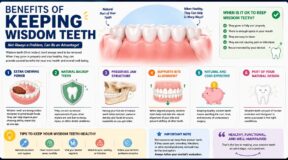
Wisdom teeth present their own challenges because partially erupted teeth can leave spaces where food and bacteria collect. When deciding how to manage healthy third molars, understanding the benefits of keeping wisdom teeth can be useful, although infected, impacted, or repeatedly troublesome wisdom teeth require individualized dental assessment.
Wisdom Tooth Infection Symptoms
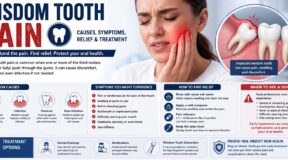
Wisdom tooth infection symptoms often involve the gum surrounding a partially erupted wisdom tooth.
This condition is commonly associated with inflammation called pericoronitis.
Possible symptoms include:
- Pain toward the back of the mouth
- Red or swollen gum around the wisdom tooth
- Pain when chewing
- Bad taste or bad breath
- Difficulty opening the mouth normally
- Swelling near the jaw
- Tender lymph nodes in some cases
- Fever or feeling unwell if infection becomes more significant
Food and bacteria can become trapped beneath a flap of gum covering part of the tooth. As a result, the area can become irritated or infected.
A dentist can determine whether cleaning, medication, monitoring, or wisdom tooth removal is appropriate.
Symptoms of Tooth Infection Spreading to Body
Most dental infections start locally. However, bacteria can sometimes spread beyond the tooth into the jaw, face, neck, or bloodstream.
Possible symptoms of tooth infection spreading to body or surrounding tissues can include worsening facial or neck swelling, fever, chills, rapid heart rate, marked weakness, confusion, or feeling seriously ill.
These symptoms require prompt medical assessment.
You should also treat swelling that is rapidly increasing as a warning sign.
A dental infection that interferes with swallowing or breathing is an emergency. In that situation, seek emergency medical care rather than waiting for a routine dental appointment.
Tooth Infection Spread to Brain Symptoms: How Common Is It?
People searching for tooth infection spread to brain symptoms are often worried about a brain abscess or another serious complication.
Spread from a dental infection to the brain is rare, but serious infections can potentially spread beyond their original location.
Neurological warning signs such as a severe or unusual headache, confusion, seizures, weakness, problems with speech or vision, or changes in consciousness require emergency medical evaluation regardless of whether you believe a tooth caused them.
Do not try to determine at home whether neurological symptoms are connected to a dental infection.
Meanwhile, ordinary tooth pain without neurological symptoms does not mean an infection has reached the brain. A dentist or medical professional should evaluate the actual symptoms and risk factors.
Tooth Infection vs Tonsil Stones and Other Mouth Problems
Not every unpleasant taste, bad breath, or sore area in the mouth comes from a tooth.
For example, tonsil stones can produce bad breath and an unpleasant taste without involving a dental infection. People who notice persistent odor from the back of the throat may find that understanding why tonsil stones smell helps distinguish tonsil-related problems from symptoms centered around a tooth or gum.
Sinus problems can sometimes cause pressure that feels like upper tooth pain as well.
Meanwhile, temporomandibular joint problems, tooth grinding, gum disease, cracked teeth, and sensitive teeth can create dental discomfort without an abscess.
Because these conditions can overlap, a professional examination is more reliable than diagnosing the problem based on one symptom.
How Dentists Diagnose a Tooth Infection
A dentist will usually begin by asking where the pain occurs, how long it has lasted, and what makes it better or worse.
Next, the dentist examines the teeth and gums.
They may gently tap the suspected tooth, test its response to temperature, evaluate the gums, or check whether biting causes discomfort.
Dental X-rays can help identify decay, changes around the tooth root, bone loss, or other problems that are difficult to see during a visual examination.
If swelling appears to have spread beyond the immediate dental area, further medical imaging or hospital evaluation may sometimes be necessary.
How Is a Tooth Infection Treated?
Treatment focuses on removing the source of infection and preserving the tooth when possible.
Root Canal Treatment
If bacteria have infected the pulp but the tooth can still be restored, root canal treatment may be recommended.
During treatment, the dentist or endodontist removes infected or damaged pulp tissue, cleans and disinfects the internal spaces, and seals the tooth.
A crown may later be needed to protect certain treated teeth.
Draining an Abscess
In some situations, a dentist may drain an abscess to reduce pressure and remove pus.
However, drainage alone may not address the original source. Therefore, root canal treatment, periodontal treatment, or extraction may still be necessary.
Tooth Extraction
If a tooth is too damaged to save, extraction may be the appropriate treatment.
After an extraction, follow the dentist’s instructions carefully while the area heals. Choosing appropriate foods to eat after wisdom teeth removal is especially useful after third-molar surgery because softer foods can reduce unnecessary irritation during early recovery.
Antibiotics
Antibiotics are not automatically required for every dental abscess.
Dental treatment that addresses the source is often central to managing localized infections. However, a dentist or physician may prescribe antibiotics when there are signs of spreading infection, systemic illness, or other circumstances where they are clinically appropriate.
Take prescribed antibiotics exactly as directed. Also, do not use leftover antibiotics from an earlier illness or another person’s prescription.
What Can You Do at Home Until Your Appointment?
Home care can temporarily reduce discomfort, but it cannot replace treatment of the source.
Until you receive professional care, gently clean your teeth and avoid repeatedly irritating the painful area.
A warm salt-water rinse may provide temporary comfort for some people. However, do not place aspirin directly against the tooth or gum because it can irritate or damage oral tissue.
If you normally can take over-the-counter pain medicine safely, follow the package directions or ask a pharmacist or healthcare professional which option is appropriate for you.
After dental surgery, your dentist may recommend a temporary softer diet. In that situation, a practical list of soft foods after oral surgery can make meals easier while still following your specific post-procedure instructions.
When Should You See a Dentist?
Arrange a dental appointment promptly if you have persistent tooth pain, swelling, drainage, pain when chewing, or other symptoms suggesting an infection.
Do not wait for severe pain before getting evaluated.
Seek urgent dental or medical care if you develop fever with worsening dental symptoms, significant facial swelling, or rapidly increasing swelling.
Meanwhile, seek emergency medical care for difficulty breathing, difficulty swallowing, severe neck or facial swelling, confusion, fainting, or serious neurological symptoms.
Can Tooth Infections Be Prevented?
Many dental infections begin with decay or gum disease, so routine oral care can lower the risk.
Brush thoroughly with fluoride toothpaste and clean between your teeth regularly.
Also, attend dental checkups at intervals recommended for your individual needs. Dentists can often identify cavities, cracks, gum disease, and other problems before they become painful infections.
If a tooth cracks or breaks, arrange an evaluation rather than waiting for pain to develop.
Likewise, do not ignore recurring discomfort around a wisdom tooth. Repeated inflammation may signal a problem that needs treatment.
Frequently Asked Questions
Can a tooth infection go away on its own?
Symptoms may temporarily improve, especially if an abscess drains or the tooth’s nerve dies. However, the underlying source of infection can remain. Therefore, suspected dental infections should be evaluated by a dentist.
Can you have a tooth infection without pain?
Yes. Pain is common, but it is not always present. A non-vital tooth, chronic infection, or draining abscess may produce little pain despite an ongoing problem.
Does a bad taste mean I have an abscess?
Not necessarily. Many oral and throat conditions can cause an unpleasant taste. However, a bad taste combined with localized tooth pain, gum swelling, or drainage deserves dental evaluation.
How quickly can a tooth infection spread?
There is no reliable timeline. Some infections remain localized for a period, while others can worsen more quickly. Because progression is unpredictable, waiting for an infection to become severe is not a safe strategy.
Will antibiotics cure an infected tooth?
Antibiotics may be needed in certain situations, especially when infection is spreading or causing systemic symptoms. However, the infected tooth often still requires definitive dental treatment such as root canal therapy, drainage, or extraction.
What to Do If You Notice Warning Signs
Recognizing tooth infection symptoms early gives you a better chance to address the dental problem before it becomes more complicated.
Persistent tooth pain, swelling, pressure sensitivity, drainage, or a bad taste should prompt a dental evaluation. Meanwhile, fever, rapidly worsening facial or neck swelling, or feeling seriously unwell calls for more urgent assessment.
Most of all, treat difficulty breathing or swallowing and serious neurological symptoms as emergencies. Home remedies may make a sore tooth temporarily more comfortable, but professional dental treatment is what addresses the underlying source of a true tooth infection.