Wisdom teeth are often associated with pain, dental surgery, and recovery. However, not every wisdom tooth needs removal. When third molars grow properly, remain disease-free, and function normally, there can be benefits of keeping wisdom teeth rather than removing them automatically.
Dentists assess each case based on the tooth’s position, function, surrounding gums, oral hygiene, symptoms, and potential future problems. The American Association of Oral and Maxillofacial Surgeons provides guidance on wisdom tooth management to help patients understand why retaining or removing third molars requires an individual assessment.
Understanding Third Molars
Wisdom teeth are the third molars at the back of the mouth. They usually develop and erupt during late adolescence or early adulthood, although timing varies from person to person.
Some people have enough room for these teeth to erupt into a useful position. Others develop impacted or partially erupted wisdom teeth because the jaw does not provide enough space or the teeth grow at an unfavorable angle.
Because of these differences, dentists do not make the same recommendation for every patient. A healthy, functional wisdom tooth can remain in place when a dental professional can monitor it and the patient can keep it clean.
Benefits of Keeping Wisdom Teeth When Healthy
One potential advantage of retaining a healthy third molar is that it remains part of the natural dentition. A properly positioned wisdom tooth can contribute to chewing, particularly when it makes useful contact with an opposing tooth.
Another possible benefit involves preserving natural tooth structure. Removing a tooth is a surgical procedure, so avoiding an unnecessary extraction also avoids the discomfort and recovery associated with that procedure.
For some patients, a healthy wisdom tooth may also have future value in treatment planning. For example, its presence can give a dentist or oral surgeon another tooth to consider when managing changes to the surrounding molars. However, this depends on the tooth’s position and the individual’s overall dental condition.
Therefore, keeping a healthy wisdom tooth does not mean that it will always provide a major functional advantage. Its value depends on whether it remains disease-free, accessible for cleaning, and useful within the patient’s bite.
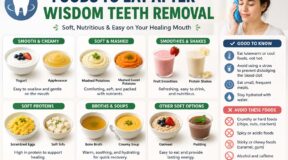
Those considering extraction may also want to understand foods to eat after wisdom teeth removal.
Future Treatment Considerations
A healthy third molar can sometimes contribute to chewing function when it has erupted into a useful position. It may also remain relevant if neighboring teeth later require treatment.
However, wisdom teeth should not be viewed as guaranteed replacement teeth for missing molars. Their position, root shape, alignment, and relationship with surrounding teeth determine whether they can play a useful role in future treatment.
In some cases, a third molar can move into a more useful position with orthodontic treatment. This possibility depends on the individual case and does not mean that every wisdom tooth can replace another molar.
For that reason, dentists consider the whole mouth rather than assuming that keeping or removing a wisdom tooth will produce the same result for everyone.
Stem Cells and Dental Pulp
Dental pulp contains cells that researchers have studied for their potential applications in regenerative medicine. Wisdom teeth have attracted attention because researchers can collect pulp tissue when a dentist extracts the tooth.
Researchers continue to investigate whether dental pulp stem cells could contribute to areas such as tissue regeneration, bone repair, and other future therapies. However, these applications remain an area of research and should not be presented as an established medical benefit of keeping a wisdom tooth.
Keeping a wisdom tooth inside the mouth is also different from preserving extracted dental tissue through a stem-cell banking service. Therefore, people should not assume that simply retaining a wisdom tooth provides access to a proven stem-cell treatment.
Cultural and Spiritual Perspectives
Some cultural and holistic wellness communities attach symbolic meanings to wisdom teeth. For example, people may associate them with maturity, adulthood, personal growth, or preserving natural body structures.
These ideas can be personally meaningful, but they are spiritual or cultural beliefs rather than established dental health benefits. Therefore, they should remain separate from evidence-based decisions about whether a wisdom tooth needs treatment.
Anyone considering whether to keep or remove a wisdom tooth should base the dental decision on its condition, position, symptoms, cleanability, and professional evaluation.
Signs of a Healthy Third Molar
Healthy wisdom teeth may have several positive characteristics:
- They have erupted fully or have a position that allows appropriate monitoring.
- They do not cause ongoing pain or swelling.
- The surrounding gums remain healthy.
- The tooth does not have significant decay.
- The tooth does not damage neighboring teeth.
- The patient can clean the area effectively.
- The tooth contributes to normal oral function when appropriate.
However, the absence of pain does not always prove that a wisdom tooth has no problem. Some dental conditions can develop without obvious symptoms.
Regular dental examinations can help identify changes in the position or condition of third molars. When imaging is clinically appropriate, dental X-rays can also help a dentist assess the tooth and surrounding structures.
People monitoring other oral changes may also want information about a white bump on lip.
When Wisdom Tooth Removal May Be Appropriate
Keeping a wisdom tooth is not always the best choice. Removal may become appropriate when the tooth develops disease, causes repeated problems, damages neighboring structures, or cannot function safely.
Potential concerns include:
- Significant tooth decay that a dentist cannot restore
- Infection or an abscess
- Repeated inflammation around a partially erupted tooth
- Damage or root resorption involving a neighboring tooth
- Cysts or other disease associated with the tooth
- A position that creates ongoing dental problems
- A tooth that interferes with certain surgical or orthodontic treatments
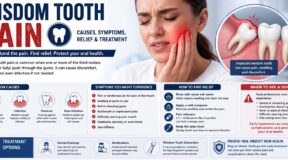
Partially erupted or impacted wisdom teeth can also be difficult to clean. As a result, food and plaque may accumulate around them and increase the risk of dental problems.
The decision should therefore consider both the risks of keeping the tooth and the risks associated with extraction. A dentist or oral surgeon can evaluate the tooth’s position, condition, function, and surrounding structures before recommending treatment.
Keeping Wisdom Teeth Clean and Healthy
Good oral hygiene becomes especially important when wisdom teeth remain in place. Because they sit at the back of the mouth, they can be harder to reach with a toothbrush and floss.
Brush carefully around the tooth and gumline. In addition, clean between the wisdom tooth and neighboring molars as effectively as your mouth and dental tools allow.
A water flosser may help some people clean difficult-to-reach areas, although it should complement regular brushing rather than replace it.
A balanced diet and regular dental care also support general oral health. Limiting frequent exposure to sugary foods and drinks can help reduce the risk of tooth decay.
Most importantly, continue regular dental visits. A dentist can monitor wisdom teeth over time and identify changes before they become more difficult to manage.
People reviewing broader mouth and throat hygiene may also want to learn how to know if you have tonsil stones.
Frequently Asked Questions
Are There Benefits to Keeping Healthy Wisdom Teeth?
Yes. A healthy, properly positioned wisdom tooth can contribute to natural chewing function and allow you to retain your natural tooth structure. In some cases, keeping the tooth may also provide additional options when dentists plan future treatment.
Do All Wisdom Teeth Need to Be Removed?
No. Some wisdom teeth can remain in place when they are healthy, functional, disease-free, and easy to monitor. However, the decision depends on the individual tooth and the patient’s overall dental condition.
Can Wisdom Teeth Stay Healthy for Life?
Yes, some people retain healthy wisdom teeth for many years without significant problems. Regular dental examinations and good oral hygiene remain important because the condition of a third molar can change over time.
Do Wisdom Teeth Contain Stem Cells?
Dental pulp can contain cells that researchers study for potential regenerative applications. However, research into these applications does not mean that keeping a wisdom tooth provides a proven stem-cell treatment or medical benefit.
What Are the Spiritual Benefits of Keeping Wisdom Teeth?
Some people associate wisdom teeth with maturity, adulthood, personal growth, or natural wholeness. These ideas can have cultural or personal meaning, but they are not established scientific or dental benefits.
Making an Informed Decision About Your Wisdom Teeth
The benefits of keeping wisdom teeth depend on the condition and position of the individual teeth. Healthy, functional, disease-free third molars may contribute to chewing and allow patients to retain their natural tooth structure.
However, keeping a wisdom tooth is not automatically better than removing it. Problems such as significant decay, infection, repeated inflammation, damage to neighboring teeth, or other disease can make removal appropriate.
The best approach is individualized dental evaluation. With good oral hygiene, regular checkups, and appropriate monitoring, some people can safely retain healthy wisdom teeth for many years.
Understanding the possible advantages and risks can help you discuss the right option with your dentist rather than assuming that every wisdom tooth must be removed.