Having your wisdom teeth removed can leave your mouth sore, swollen, and sensitive for several days. Choosing the right foods to eat after wisdom teeth removal can make recovery more comfortable while giving your body the nutrients it needs to heal. The goal is to eat foods that are soft, easy to swallow, and gentle on the surgical sites without increasing the risk of irritation or infection.
Whether you’re preparing for surgery or you’re already recovering, this guide explains what to eat, what to avoid, and how to return to your normal diet safely.
Why Your Diet Matters After Wisdom Teeth Removal
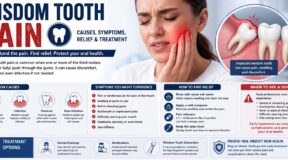
After wisdom tooth extraction, your gums need time to heal. During the first few days, the blood clot that forms in each extraction site protects the underlying bone and nerves. Certain foods or eating habits can disturb that clot, increasing the risk of a painful condition called dry socket.
Soft, nutrient-rich meals can:
- Reduce irritation while chewing
- Support tissue repair
- Help maintain your energy
- Lower the chance of complications
- Keep you hydrated
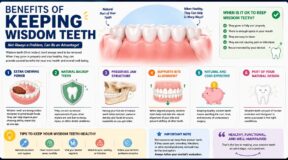
If you’re wondering about the benefits of keeping wisdom teeth, remember that removal is usually recommended only when the teeth are impacted, causing pain, crowding, infection, or other dental problems.
Best Foods to Eat After Wisdom Teeth Removal
The best foods to eat after wisdom teeth removal are smooth, soft, and easy to chew. They should also provide protein, vitamins, and minerals that support healing.
1. Applesauce
Applesauce is gentle on sore gums and provides vitamin C along with natural carbohydrates for energy.
Choose unsweetened varieties whenever possible.
2. Yogurt
Plain Greek yogurt is rich in protein and calcium while being easy to swallow.
Once your dentist says it’s appropriate, many people also wonder when is the best time to take probiotics if they’ve been prescribed antibiotics after oral surgery. Probiotic-rich yogurt may also support a healthy balance of gut bacteria.
3. Mashed Potatoes
Mashed potatoes are filling, soft, and easy to customize.
Let them cool to a warm—not hot—temperature before eating.
4. Scrambled Eggs
Soft scrambled eggs are one of the easiest high-protein foods to enjoy during recovery.
Eating enough protein can help muscles recover after intense exercise.
5. Oatmeal
Once the first day or two has passed, soft oatmeal can be a satisfying breakfast.
Prepare it with extra liquid so it stays smooth.
6. Cottage Cheese
Its creamy texture makes cottage cheese another excellent protein source during recovery.
7. Smooth Soups
Blended vegetable soups, pumpkin soup, tomato soup, and butternut squash soup are nutritious choices.
Avoid soups that are extremely hot since heat may increase discomfort during the first couple of days.
8. Avocado
Ripe avocado is naturally soft and contains healthy fats that support overall wellness.
9. Smoothies
Fruit smoothies are refreshing and nutritious.
Skip the straw, though. Sucking through a straw may dislodge the healing blood clot.
10. Pudding
Pudding offers a soft texture when chewing feels uncomfortable.
Choose lower-sugar options if possible.
25 Foods to Eat After Wisdom Teeth Removal
If you’re looking for 25 foods to eat after wisdom teeth removal, here’s a simple list to help with meal planning.
| Food | Why It’s a Good Choice |
|---|---|
| Applesauce | Easy to swallow |
| Greek yogurt | High in protein |
| Cottage cheese | Soft and filling |
| Mashed potatoes | Comforting and gentle |
| Mashed sweet potatoes | Rich in vitamin A |
| Scrambled eggs | Excellent protein |
| Oatmeal | Soft whole grain |
| Cream of wheat | Smooth texture |
| Rice porridge | Easy on sore gums |
| Blended vegetable soup | Nutrient-rich |
| Pumpkin soup | Soft and soothing |
| Tomato soup | Smooth consistency |
| Avocado | Healthy fats |
| Banana | Naturally soft |
| Mango puree | Easy to eat |
| Smooth hummus | Plant protein |
| Pudding | Gentle dessert |
| Gelatin | Easy to swallow |
| Soft tofu | High-quality protein |
| Macaroni and cheese | Soft comfort food |
| Well-cooked pasta | Easy chewing |
| Polenta | Smooth texture |
| Soft pancakes | Gentle breakfast |
| Protein smoothie (without a straw) | Convenient nutrition |
| Ice cream in moderation | Cooling comfort if tolerated |
Soft Foods to Eat After Wisdom Teeth Removal During Each Recovery Stage
Recovery changes from day to day, so your diet should change too.
Days 1–2
Stick to liquids and very soft foods such as:
- Yogurt
- Applesauce
- Smooth soups
- Protein shakes (drink from a cup)
- Pudding
- Mashed potatoes
Cold or cool foods often feel soothing during the first 24 hours.
Days 3–5
As swelling improves, you can slowly add:
- Soft scrambled eggs
- Oatmeal
- Cottage cheese
- Soft pasta
- Rice porridge
- Avocado
After the First Week
Most people can gradually return to firmer foods if healing is progressing well and chewing is comfortable.
Always follow your dentist’s instructions because recovery varies from person to person.
Foods to Avoid While Healing
Certain foods increase irritation or may slow healing.
Avoid:
- Chips
- Popcorn
- Nuts
- Seeds
- Crunchy crackers
- Toast
- Hard candy
- Chewy steak
- Sticky caramel
- Spicy foods
- Very hot foods
- Alcohol during recovery
- Carbonated drinks if they cause discomfort
Also avoid using straws for at least several days or as directed by your oral surgeon.
Getting Enough Nutrition While You Recover
Even though chewing is limited, your body still needs nutrients to heal efficiently.
Aim to include:
- Protein from eggs, yogurt, tofu, or cottage cheese
- Healthy fats from avocado
- Fruits through smoothies or purees
- Vegetables in blended soups
- Plenty of fluids
If your appetite is low, eating small meals every few hours is often easier than trying to finish large portions.
People who already use protein supplements sometimes ask about the best time to drink protein shake. During recovery, timing matters less than meeting your daily protein needs, especially if chewing solid food is difficult.
Recovery Tips Beyond Food
Healing involves more than choosing the right meals.
Stay Hydrated
Drink water throughout the day.
Avoid dehydration, which can slow recovery.
Eat Slowly
Take small bites and chew away from the extraction sites whenever possible.
Keep Food Lukewarm
Very hot foods may increase discomfort during the first few days.
Follow Oral Hygiene Instructions
Your dentist may recommend gentle saltwater rinses beginning about 24 hours after surgery.
Avoid vigorous rinsing during the first day.
Common Recovery Symptoms
Most people experience mild symptoms after wisdom tooth removal.
These include:
- Swelling
- Mild bleeding
- Jaw stiffness
- Soreness
- Difficulty opening the mouth fully
These symptoms usually improve over several days.
If you also need ideas for nourishing meals while recovering from illness, many of the same soft options appear in guides covering foods to eat when sick, since they are gentle on both the mouth and digestive system.
When to Call Your Dentist
Some discomfort is expected, but certain symptoms deserve prompt attention.
Contact your dentist if you notice:
- Severe pain that worsens after several days
- Heavy bleeding that doesn’t stop
- Fever
- Pus or foul-smelling drainage
- Increasing swelling after the third day
- Difficulty breathing or swallowing
These symptoms may indicate an infection or another complication that needs professional care.
Common Myths About Eating After Wisdom Tooth Extraction
Myth: You Shouldn’t Eat for Several Days
Your body heals better when it receives enough calories, protein, and fluids.
Choose soft foods rather than skipping meals.
Myth: Ice Cream Is the Only Safe Food
Ice cream can feel soothing, but relying on sugary desserts alone won’t provide balanced nutrition.
Mix in protein-rich and vitamin-rich foods throughout the day.
Myth: Crunchy Foods Are Fine Once the Bleeding Stops
Even if bleeding has stopped, crunchy foods can still irritate healing tissues.
Wait until your dentist says it’s safe.
Sample One-Day Soft Food Meal Plan
Breakfast
- Greek yogurt
- Mashed banana
Morning Snack
- Applesauce
Lunch
- Creamy pumpkin soup
- Mashed potatoes
Afternoon Snack
- Cottage cheese
Dinner
- Soft scrambled eggs
- Mashed sweet potatoes
Evening Snack
- Pudding or avocado
This simple plan provides protein, carbohydrates, healthy fats, and vitamins without placing unnecessary stress on healing gums.
Frequently Asked Questions
What are the good foods to eat after wisdom teeth removal?
Some of the good foods to eat after wisdom teeth removal include yogurt, mashed potatoes, scrambled eggs, applesauce, oatmeal, avocado, blended soups, cottage cheese, pudding, and soft pasta.
How long should I eat soft foods?
Most people need soft foods for about three to seven days. More complicated extractions may require a longer period.
Can I eat rice after wisdom teeth removal?
Soft rice or rice porridge is usually easier to tolerate than dry rice. Tiny grains may become trapped in extraction sites, so follow your dentist’s instructions.
Is it okay to drink coffee?
Many dentists recommend waiting at least 24 hours before drinking coffee. Very hot beverages may increase discomfort early in recovery.
Can I eat bread?
Fresh, soft bread may be tolerated after several days, but crusty bread should be avoided until healing progresses.
Simple Steps for a Smoother Recovery
The right diet can make a noticeable difference during the healing process. Focus on soft, nourishing foods that are easy to chew, stay hydrated, and avoid anything that could disturb the extraction sites. As your mouth becomes more comfortable, slowly reintroduce firmer foods based on your dentist’s advice.
Recovery is different for everyone, so don’t rush back to your regular diet. Listening to your body, following your post-operative instructions, and choosing nutritious meals will help support comfortable healing and reduce the chance of complications.