If you are newly pregnant and experiencing abdominal or pelvic discomfort, you may wonder, when does ectopic pregnancy pain start? Symptoms can begin as early as around 4 weeks of pregnancy, although they commonly appear during the first trimester. The NHS states that ectopic pregnancy symptoms generally develop between weeks 4 and 12, while some people initially have no symptoms at all. Because an ectopic pregnancy can become a medical emergency, unexplained one-sided pain, bleeding, shoulder-tip pain, dizziness, or fainting during early pregnancy should be medically assessed rather than diagnosed at home.
An ectopic pregnancy occurs when a fertilized egg implants outside the uterus. Most occur in a fallopian tube, although implantation can happen elsewhere in rare cases. As the pregnancy develops outside the uterus, it cannot progress normally and may eventually cause internal bleeding if surrounding tissue ruptures.
When Does Ectopic Pregnancy Pain Start?
There is no exact week when pain must begin. However, symptoms of an ectopic pregnancy typically occur between 4 and 12 weeks of pregnancy. Some clinical guidance notes that symptoms often develop around the sixth week, roughly two weeks after a missed period for someone with regular cycles.
Still, the timing varies considerably. Some people experience symptoms earlier, while others have no noticeable warning signs before an ultrasound identifies the pregnancy. Therefore, the absence of pain does not prove that a pregnancy is developing normally.
When pain occurs, it commonly affects the lower abdomen or pelvis and may be more noticeable on one side. It can begin suddenly or develop gradually, while its intensity may also change over time.
Because several conditions can cause right side pain, location alone cannot identify an ectopic pregnancy. Instead, healthcare professionals consider the pain alongside pregnancy status, bleeding, other symptoms, ultrasound findings, and blood-test results.
When Does Pain Start With Ectopic Pregnancy, and What Does It Feel Like?
People often expect ectopic pregnancy pain to have one specific pattern. In reality, symptoms can vary.
The abdominal pain is often described as lower abdominal or pelvic pain, frequently on one side. It may remain persistent or come and go. Likewise, it can develop gradually or appear suddenly.
Early pregnancy itself can sometimes cause mild cramping. Therefore, discomfort alone cannot tell you whether a pregnancy is ectopic.
However, persistent or worsening one-sided pain deserves particular attention when pregnancy is possible, especially if it occurs with unusual vaginal bleeding or other warning signs.
Common Ectopic Pregnancy Symptoms
Symptoms may include:
- Lower abdominal or pelvic pain, sometimes mainly on one side
- Vaginal bleeding or spotting
- Brown or watery vaginal discharge
- Shoulder-tip pain
- Pain or pressure when having a bowel movement
- Discomfort when urinating
- Dizziness or fainting
- A missed period or other signs of pregnancy
Not everyone develops all these symptoms. In fact, some people initially experience none.
That variation is one reason symptoms alone cannot confirm or rule out an ectopic pregnancy.
When Does Ectopic Pregnancy Pain Start Symptoms Become Concerning?
Any significant pain during a possible or confirmed pregnancy deserves appropriate medical attention. However, certain symptom combinations raise greater concern.
For example, lower abdominal pain combined with vaginal bleeding may require prompt assessment. Similarly, pain accompanied by dizziness, faintness, or shoulder-tip pain can indicate internal bleeding and needs urgent medical evaluation.
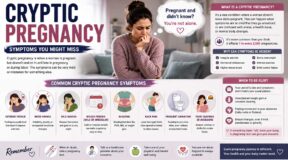
Meanwhile, unusual pregnancy experiences can sometimes create confusion about whether pregnancy is present at all. People researching cryptic pregnancy symptoms, for example, may encounter descriptions of pregnancies that were not recognized early. Yet suspected ectopic pregnancy should never be assessed from symptom lists alone.
A pregnancy test can provide useful initial information, but a clinician may need ultrasound and blood testing to determine where a pregnancy is located.
When Does Shoulder Pain Start in Ectopic Pregnancy?
Shoulder-tip pain is a recognized warning symptom of ectopic pregnancy. However, there is no reliable pregnancy week when it always begins.
The relevant symptom is typically felt around the tip of the shoulder, where the shoulder ends and the arm begins. In the context of an ectopic pregnancy, shoulder-tip pain can occur when internal bleeding irritates the diaphragm.
Therefore, this symptom differs from ordinary shoulder soreness caused by sleeping position, exercise, or muscle strain.
If you might be pregnant and develop unexplained shoulder-tip pain, especially alongside abdominal pain, vaginal bleeding, dizziness, or fainting, seek urgent medical advice.
Where Is Ectopic Pregnancy Pain Usually Located?
Ectopic pregnancy pain commonly develops low in the abdomen rather than high under the ribs. Often, although not always, it is more noticeable on one side.
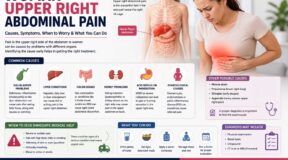
Consequently, upper abdominal pain should not automatically be labeled an ectopic pregnancy symptom. Someone experiencing woman upper right abdominal pain may have many possible causes, and pregnancy introduces other potential explanations that require proper medical assessment.
The location of pain can offer clinicians useful information, but it cannot establish a diagnosis by itself.
For the same reason, whether pain is sharp, dull, intermittent, or constant is not enough to confirm the cause.
Ectopic Pregnancy Pain vs. Normal Early Pregnancy Cramping
Mild cramping can occur during an otherwise normal early pregnancy. The NHS notes that early pregnancy symptoms may include cramping similar to period pain.
That overlap can make symptoms confusing.
| Feature | Normal Early Pregnancy Can Include | Ectopic Pregnancy Can Include |
|---|---|---|
| Mild cramping | Yes | Yes |
| One-sided lower abdominal pain | Less typical | Commonly reported |
| Vaginal spotting | Can occur | Can occur |
| Shoulder-tip pain | Not a usual early pregnancy symptom | Recognized warning symptom |
| Dizziness or fainting | Can have various causes | May signal serious internal bleeding |
| Severe sudden abdominal pain | Requires assessment | May indicate rupture |
This comparison cannot diagnose the cause of pain. Since symptoms overlap, a healthcare professional may need to assess any concerning symptoms.
Why Does an Ectopic Pregnancy Cause Pain?
Most ectopic pregnancies develop in a fallopian tube. Since a fallopian tube cannot support a growing pregnancy in the way the uterus can, continued growth can stretch and damage the surrounding tissue.
Pain may develop as this process progresses.
In a serious case, the fallopian tube can rupture and cause internal bleeding. A rupture requires emergency treatment.
However, pain severity does not reliably tell you how advanced an ectopic pregnancy is. Some people have mild or vague symptoms, while others may develop an acute emergency.
Who Has a Higher Risk of Ectopic Pregnancy?
An ectopic pregnancy can occur without an obvious risk factor. Still, certain circumstances are associated with increased risk.
These include a previous ectopic pregnancy, previous damage or surgery involving the fallopian tubes, pelvic inflammatory disease, fertility treatment such as IVF, smoking, and pregnancy occurring while an intrauterine contraceptive device is in place. Risk also rises with age.
Yet having none of these factors does not rule out an ectopic pregnancy.
Therefore, symptoms should guide the decision to seek medical attention rather than assuming you are safe because you have no known risk factors.
How Doctors Diagnose Ectopic Pregnancy
Doctors cannot reliably diagnose an ectopic pregnancy from pain patterns alone. Instead, evaluation commonly combines your symptoms with pregnancy testing, ultrasound, and sometimes repeated blood tests.
Transvaginal Ultrasound
A transvaginal ultrasound provides detailed images of the reproductive organs. It may show whether a pregnancy is developing inside the uterus or somewhere else.
However, very early pregnancies can be difficult to locate. Therefore, one scan does not always provide an immediate answer.
hCG Blood Tests
Clinicians may measure human chorionic gonadotropin, or hCG, and repeat the test about 48 hours later. The pattern of change can provide useful information when the pregnancy’s location is unclear.
In some situations, continued monitoring or further investigation is necessary before clinicians can make a definite diagnosis.
What Happens If an Ectopic Pregnancy Is Confirmed?
Unfortunately, an ectopic pregnancy cannot develop normally outside the uterus and cannot be moved into the uterus. Treatment depends on factors such as symptoms, pregnancy size and location, hCG levels, and whether internal bleeding is present.
Possible approaches include expectant management with close monitoring, medication with methotrexate, or surgery.
Expectant management may be appropriate for selected people with mild or no symptoms when clinicians determine that careful monitoring is suitable. In contrast, methotrexate may be used in certain early ectopic pregnancies to stop pregnancy tissue from growing.
Surgery may be necessary when medication is unsuitable or when there is concern about rupture or significant bleeding.
Because treatment decisions depend on individual clinical findings, they should be made with the healthcare team managing the pregnancy.
When Does Pain From Ectopic Pregnancy Start Becoming an Emergency?
Severe symptoms can indicate that an ectopic pregnancy has ruptured.
Seek emergency medical care immediately if you have possible pregnancy along with sudden, severe abdominal pain, particularly when accompanied by marked dizziness, fainting, feeling very unwell, or significant weakness. NHS guidance identifies sudden intense abdominal pain and dizziness or fainting among warning signs of rupture.
Do not wait for every classic symptom to appear.
Likewise, you do not need to know for certain that you are pregnant before seeking medical advice. The NHS recommends getting medical advice when ectopic-pregnancy symptoms occur and pregnancy is possible, even without a positive pregnancy test.
FAQs About Ectopic Pregnancy Pain
Can ectopic pregnancy pain start at 4 weeks?
Yes. Symptoms can start as early as around four weeks, although many cases become symptomatic later in the first trimester.
Does ectopic pregnancy always hurt?
No. Some people initially have no symptoms and only discover the ectopic pregnancy during an ultrasound or later assessment.
Is ectopic pregnancy pain always on one side?
No. One-sided lower abdominal pain is commonly reported, but pain does not have to follow that exact pattern.
Can ectopic pregnancy pain come and go?
Yes. NHS guidance notes that abdominal pain may be persistent or may come and go.
Can you have an ectopic pregnancy without bleeding?
Yes. Symptoms vary, and a person does not need to experience every commonly listed symptom. Some ectopic pregnancies initially produce no symptoms at all.
What to Do If You Have Symptoms
So, when does ectopic pregnancy pain start? It can begin from around the fourth week, while symptoms are generally reported between weeks 4 and 12. Still, timing alone cannot confirm or exclude an ectopic pregnancy.
If you might be pregnant and develop persistent or concerning abdominal or pelvic pain, unusual bleeding, or shoulder-tip pain, contact a qualified healthcare professional promptly. Meanwhile, sudden severe abdominal pain, fainting, or severe dizziness requires emergency medical care because these symptoms can occur with rupture and internal bleeding.
Early assessment matters far more than trying to match your symptoms to a specific week or pain pattern.