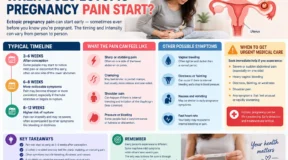
Pregnancy usually brings noticeable changes, yet those changes are not always obvious. Cryptic pregnancy symptoms can be mild, inconsistent, mistaken for other health issues, or overlooked for weeks or even months. A cryptic pregnancy, sometimes called an unrecognized pregnancy, occurs when someone does not realize they are pregnant until relatively late in pregnancy. Although this situation is uncommon, understanding the possible signs can help someone know when pregnancy testing or medical evaluation makes sense.
What Is a Cryptic Pregnancy?
A cryptic pregnancy is a pregnancy that someone does not recognize until later than most pregnancies. It does not mean the pregnancy is physically “hidden.” Instead, the person may not recognize the symptoms as pregnancy-related, or circumstances may make the usual clues less clear.
For example, someone with irregular menstrual cycles may not consider a missed period unusual. Likewise, nausea may seem like a stomach problem, while fatigue may be blamed on stress, poor sleep, or a busy schedule.
Pregnancy awareness can also vary widely. Therefore, there is no single experience that applies to everyone with an unrecognized pregnancy.
Ovulation timing can make early pregnancy dates harder to estimate as well, especially when cycles are irregular. Understanding how long after lh surge do you ovulate can provide useful background on the relationship between ovulation, conception, and menstrual timing, although LH tracking cannot confirm a pregnancy.
Common Cryptic Pregnancy Symptoms
The symptoms of cryptic pregnancy are generally the same biological symptoms that can occur during a recognized pregnancy. However, they may be subtle, intermittent, or interpreted differently.
Possible symptoms include:
- Missed or unusual menstrual periods
- Light bleeding or spotting
- Nausea or changes in appetite
- Breast tenderness
- Fatigue
- Frequent urination
- Bloating
- Constipation
- Mood changes
- Increased sensitivity to smells
- Unexplained weight changes
- Abdominal enlargement
- Pelvic pressure
- Fetal movement later in pregnancy
Still, symptoms alone cannot confirm pregnancy. Many of these changes can also occur with hormonal fluctuations, gastrointestinal conditions, stress, medication effects, or other health issues.
Can You Have Few or No Noticeable Symptoms?
Yes. Some people experience relatively mild early pregnancy symptoms. For instance, morning sickness varies considerably, and not everyone develops significant nausea.
Likewise, body changes may be less obvious in some pregnancies. Weight gain and abdominal appearance vary according to factors such as body composition, previous pregnancies, fetal position, and individual anatomy.
However, a complete absence of recognized symptoms does not mean medical testing cannot detect a pregnancy. Pregnancy tests, clinical assessment, and ultrasound can usually clarify the situation.
Period-Like Bleeding and Pregnancy Symptoms
One of the biggest sources of confusion involves symptoms of cryptic pregnancy with period-like bleeding. A true menstrual period does not occur during pregnancy because menstruation involves shedding the uterine lining after a cycle in which pregnancy has not occurred.
However, bleeding can occur during pregnancy. Therefore, someone may mistake spotting or another type of bleeding for a menstrual period.
Pregnancy-related bleeding can vary in amount and timing. Some people may experience light spotting early on, while other causes of bleeding require medical assessment.
As a result, you should not automatically assume regular-looking bleeding is a normal period if pregnancy is possible. Likewise, persistent, heavy, painful, or unexplained bleeding deserves medical attention.
Why Can Pregnancy Go Unnoticed?
There is rarely one universal explanation. Instead, several physical and situational factors can make pregnancy harder to recognize.
Irregular Menstrual Cycles
People who already have unpredictable periods may not see a missed period as unusual. Conditions that affect ovulation can also make menstrual patterns harder to interpret.
For example, reproductive conditions can produce pelvic pain, irregular bleeding, or fertility concerns. Someone researching stage 4 endometriosis life expectancy may also benefit from understanding that endometriosis can affect quality of life and fertility, but it does not itself prove or rule out pregnancy.
Mild or Misinterpreted Pregnancy Changes
Early pregnancy symptoms overlap with many everyday health complaints. For example, fatigue can come from inadequate sleep, while bloating can occur because of diet or digestive changes.
Consequently, several mild symptoms may never create an obvious pregnancy pattern.
Hormonal Contraception or Medication
Birth control methods can change menstrual bleeding, so pregnancy may not immediately come to mind when bleeding becomes lighter or disappears.
Meanwhile, some medicines can affect menstrual cycles or produce symptoms that overlap with hormonal changes. For instance, people researching spironolactone side effects in females may encounter menstrual irregularities among possible effects. However, anyone taking prescription medication who discovers or suspects pregnancy should contact their healthcare professional rather than stopping treatment independently.
Assumptions About Fertility
Someone may believe pregnancy is unlikely because of age, previous fertility difficulties, breastfeeding, contraception, or a history of irregular cycles. Yet reduced likelihood is not always the same as zero possibility.
Therefore, pregnancy testing can still be appropriate when pregnancy is biologically possible and unexplained symptoms develop.
How Signs May Change as Pregnancy Progresses
The pattern of cryptic pregnancy symptoms and signs may change as pregnancy advances.
During early pregnancy, someone might notice fatigue, breast changes, nausea, spotting, or increased urination. However, these symptoms can remain mild.
Later, abdominal growth may become more noticeable. Fetal movement can also become apparent, although early movement may initially feel like gas, muscle twitching, or digestive activity.
As pregnancy advances further, pelvic pressure, back discomfort, shortness of breath, stronger fetal movement, or more obvious abdominal enlargement may occur.
Still, these signs should never determine pregnancy stage without medical evaluation. An ultrasound and clinical assessment provide much more reliable information.
Can You Have a Negative Pregnancy Test?
This question causes considerable confusion online. Home pregnancy tests detect human chorionic gonadotropin (hCG) in urine, a hormone the body produces after a fertilized egg attaches to the uterine lining. When someone uses a test correctly after an appropriate amount of time has passed, it is generally reliable.
However, false-negative results can happen. Testing too early is a common reason. Diluted urine, incorrect test use, an expired test, or unusual circumstances may also affect results.
Therefore, do not dismiss persistent pregnancy symptoms solely because of one negative home test.
If pregnancy remains possible, repeat the test according to its instructions or speak with a healthcare professional. A clinician may use a urine test, blood test, ultrasound, or a combination of methods depending on the circumstances.
The U.S. Office on Women’s Health guidance on knowing if you are pregnant provides information about pregnancy signs, home pregnancy testing, and when to contact a healthcare professional.
How Doctors Diagnose a Suspected Cryptic Pregnancy
Medical evaluation usually begins with a health history. A clinician may ask about menstrual cycles, sexual activity, contraception, symptoms, previous pregnancies, and medications.
Next, the clinician may recommend pregnancy testing. Depending on the situation, this may include urine or blood testing.
An ultrasound can then help confirm an intrauterine pregnancy, assess fetal development, and estimate gestational age. However, the exact evaluation depends on symptoms and how far pregnancy may have progressed.
Once a clinician confirms pregnancy, the healthcare team may recommend prenatal testing and routine assessments based on gestational age and individual health needs.
Why Recognizing Pregnancy Matters
Late recognition does not automatically mean that something is wrong. However, knowing about a pregnancy allows someone to access prenatal care and make pregnancy-appropriate health decisions.
Prenatal care can include monitoring blood pressure, checking fetal development, reviewing medications, screening for certain health conditions, and discussing nutrition.
Folic acid is particularly relevant before conception and during early pregnancy because adequate intake reduces the risk of certain neural tube defects. People sometimes explore the benefits of prenatal vitamins while not pregnant when planning a pregnancy, although supplement needs should still reflect individual diet, health history, and professional advice.
Knowing about pregnancy also allows a clinician to review medications, supplements, alcohol use, smoking, and other exposures without judgment and recommend appropriate next steps.
Possible Risks of an Unrecognized Pregnancy
The pregnancy itself is not necessarily more dangerous simply because someone recognizes it late. However, delayed recognition can mean fewer opportunities for prenatal screening and preventive care.
For example, someone may not know to take folic acid early in pregnancy. Likewise, a medical condition such as high blood pressure or diabetes may go unmonitored during pregnancy.
A person might also continue medications that require review during pregnancy. Therefore, once pregnancy is discovered, discuss current prescriptions, over-the-counter medicines, vitamins, herbal products, and supplements with a healthcare professional.
Late recognition can also make an unexpected pregnancy emotionally challenging. Support from healthcare professionals and trusted people can help someone process the news and plan appropriate care.
Common Myths About Cryptic Pregnancy
Online discussions sometimes portray cryptic pregnancy as a special type of pregnancy that standard medical methods cannot detect. That description is misleading.
Myth: Every Pregnancy Produces Obvious Symptoms
Pregnancy symptoms vary considerably. Therefore, a person can have a healthy pregnancy without experiencing dramatic nausea, breast pain, or obvious early weight gain.
Myth: You Can Have Normal Menstrual Periods Throughout Pregnancy
True menstruation does not continue during pregnancy. However, pregnancy can involve bleeding that someone interprets as a period.
Myth: Repeated Negative Tests Always Mean a Hidden Pregnancy
A negative test can occasionally be incorrect, especially when someone performs it too early. However, persistent negative tests should not automatically be interpreted as evidence of a “hidden” pregnancy.
Instead, unexplained symptoms deserve proper medical evaluation. Other hormonal, gynecological, gastrointestinal, or urinary conditions may produce similar symptoms.
When Should You Seek Medical Care?
Consider taking a pregnancy test when pregnancy is possible and you have a missed or unusually light period, unexplained nausea, breast changes, fatigue, frequent urination, or other pregnancy-like symptoms.
Meanwhile, contact a healthcare professional if symptoms continue despite negative home tests or if you are uncertain how to interpret your cycle.
Seek urgent medical care for severe abdominal or pelvic pain, heavy bleeding, fainting, severe dizziness, shoulder pain with abdominal symptoms, difficulty breathing, or other severe or rapidly worsening symptoms. These signs can have several causes, including pregnancy complications that require prompt evaluation.
Likewise, anyone who unexpectedly discovers a later-stage pregnancy should arrange medical care promptly so a clinician can assess maternal and fetal health.
FAQs About Symptoms of a Cryptic Pregnancy
What Are the Earliest Symptoms of a Cryptic Pregnancy?
Early symptoms of a cryptic pregnancy may include fatigue, breast tenderness, nausea, spotting, frequent urination, bloating, or a missed period. However, symptoms may be mild enough to resemble ordinary hormonal or digestive changes.
Can You Be Pregnant and Still Bleed Every Month?
Bleeding can occur during pregnancy, but true menstrual periods do not continue. Discuss recurrent bleeding during a suspected or confirmed pregnancy with a healthcare professional, especially when it is heavy or accompanied by pain.
Does Your Belly Grow With a Cryptic Pregnancy?
The uterus still enlarges as pregnancy progresses. However, how noticeable the abdomen appears varies between individuals. Body shape, abdominal muscles, fetal position, and other factors can influence appearance.
Can You Feel a Baby Moving Without Knowing You Are Pregnant?
Yes, someone may initially mistake fetal movement for gas, digestive movement, or muscle twitching. Still, unexplained repeated movement sensations cannot diagnose pregnancy, so testing and medical evaluation provide more reliable answers.
How Do You Confirm a Cryptic Pregnancy?
Start with a properly used home pregnancy test if pregnancy is possible. If the result is negative but symptoms continue, repeat testing as directed or contact a healthcare professional. A clinician can use pregnancy testing and, when appropriate, ultrasound to determine what is happening.
Practical Next Steps
Cryptic pregnancy is better understood as an unrecognized pregnancy rather than a pregnancy that somehow escapes all medical detection. While cryptic pregnancy symptoms can be subtle or mistaken for other conditions, persistent changes in periods, nausea, breast symptoms, urinary frequency, abdominal growth, or unexplained movement deserve attention when pregnancy is possible.
Rather than relying on symptoms or online stories alone, use an appropriate pregnancy test and seek professional evaluation when uncertainty continues. Most importantly, severe pain, heavy bleeding, fainting, or rapidly worsening symptoms require prompt medical attention. Getting a clear diagnosis can help you receive the right care, whether pregnancy is confirmed or another condition is causing the symptoms.