Many people associate gallbladder problems with severe pain under the right ribs after eating a fatty meal. While that’s a common symptom, the weird signs of a bad gallbladder can be much less obvious. Some people experience shoulder pain, unusual digestive problems, nausea without vomiting, or discomfort that seems unrelated to the gallbladder.
Because these symptoms often mimic other digestive conditions, gallbladder disease may go unrecognized for weeks or even months. Learning to recognize both the common and unusual warning signs can help you know when it’s time to seek medical advice.
What Does the Gallbladder Do?
Its main job is to store bile, a digestive fluid produced by the liver. After you eat—especially foods containing fat—the gallbladder releases bile into the small intestine to help digest fats.
If you’re unfamiliar with its role in digestion, learning what does your gallbladder do can make it easier to understand why gallbladder disease often causes digestive symptoms after meals.
Although you can live without a gallbladder, problems affecting this organ can interfere with digestion and sometimes lead to serious complications if left untreated.
Common Gallbladder Problems
Several conditions can affect the gallbladder.
The most common include:
- Gallstones
- Gallbladder inflammation (cholecystitis)
- Blocked bile ducts
- Gallbladder sludge
- Reduced gallbladder function
- Rarely, gallbladder cancer
Gallstones are the leading cause of gallbladder symptoms. They can block the flow of bile, causing pain, inflammation, and digestive issues.
Weird Signs of a Bad Gallbladder That People Often Miss
Not every gallbladder problem causes classic pain.
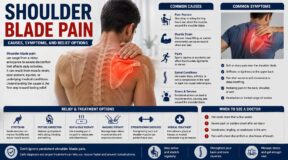
Pain Between the Shoulder Blades
Pain from the gallbladder doesn’t always stay in the abdomen.
Some people notice discomfort between the shoulder blades or in the right shoulder the body.
The pain may come and go, especially after eating fatty meals.
Frequent Bloating
Occasional bloating is common after large meals.
However, persistent bloating—particularly after eating foods high in fat—may indicate that bile isn’t reaching the intestine efficiently.
Many people mistake this symptom for simple indigestion.
Feeling Full Very Quickly
If you suddenly feel full after eating only a small amount of food, your digestive system may not be working efficiently.
While many conditions can cause early fullness, gallbladder disease is one possibility, particularly when other digestive symptoms are present.
Excessive Burping
Frequent burping isn’t always caused by swallowing air.
Poor fat digestion may contribute to increased gas and belching after meals.
Although this symptom alone doesn’t confirm gallbladder disease, it becomes more meaningful when combined with upper abdominal discomfort.
Nausea Without Vomiting
Some people experience ongoing nausea that seems unrelated to food poisoning or a stomach virus.
Gallbladder irritation can trigger nausea, especially after eating rich or greasy foods.
Symptom Comparison
| Common Symptoms | Weird Signs of a Bad Gallbladder |
|---|---|
| Pain under the right ribs | Right shoulder pain |
| Pain after fatty meals | Pain between the shoulder blades |
| Nausea | Feeling unusually full |
| Vomiting | Frequent burping |
| Fever (with infection) | Ongoing bloating |
| Tender upper abdomen | Mild digestive discomfort after meals |
Remember that symptoms vary from person to person. Some individuals have several symptoms, while others notice only one or two.
More Weird Signs of a Bad Gallbladder
Some unusual symptoms may seem completely unrelated to the digestive system.
Unexplained Fatigue
Chronic inflammation can leave people feeling unusually tired.
Although fatigue has many possible causes, persistent exhaustion accompanied by digestive symptoms deserves medical evaluation.
Mild Yellowing of the Skin or Eyes
If a gallstone blocks the bile duct, bilirubin can build up in the body.
This may lead to jaundice, causing yellowing of the skin or the whites of the eyes.
Jaundice should never be ignored because it may indicate a blocked bile duct or another serious liver or biliary condition.
Changes in Stool Color
When bile flow becomes blocked, stools may appear pale, clay-colored, or unusually light.
Dark urine may also develop because excess bilirubin leaves the body through the kidneys.
Itching Without a Rash
Although less common, bile buildup can sometimes cause widespread itching even when no visible skin rash is present.
This symptom occurs because bile salts accumulate in the bloodstream.
What Causes Gallbladder Problems?
Several factors increase the likelihood of gallbladder disease.
Common risk factors include:
- Gallstones
- Obesity
- Rapid weight loss
- Pregnancy
- Family history
- Diabetes
- Increasing age
- High-fat diets
- Certain medications
Women are generally more likely than men to develop gallstones, although anyone can be affected.
When Symptoms Look Like Other Conditions
Gallbladder disease often resembles other digestive disorders.
People sometimes mistake gallbladder pain for:
- Acid reflux
- Indigestion
- Gastritis
- Peptic ulcers
- Irritable bowel syndrome
Someone experiencing frequent heartburn may first search for how to stop stomach burning immediately, only to discover later that another digestive condition, including gallbladder disease, is contributing to their symptoms.
Likewise, discomfort after eating can overlap with symptoms triggered by foods that cause acid reflux, making it difficult to identify the true cause without a medical evaluation.
When Gallbladder Pain Can Spread
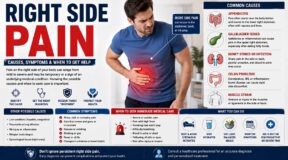
Although most people feel pain in the upper right abdomen, gallbladder pain doesn’t always stay there.
It may spread to:
- The center of the upper abdomen
- The right shoulder
- The upper back
- Between the shoulder blades
This pattern of referred pain is one reason gallbladder problems can initially be mistaken for muscle strain or even back pain.
When Should You See a Doctor?
Persistent digestive symptoms deserve medical attention, especially if they continue for several days or repeatedly occur after meals.
Schedule a medical evaluation if you experience:
- Recurring upper abdominal pain
- Pain after eating fatty foods
- Frequent nausea
- Persistent bloating
- Shoulder pain combined with digestive symptoms
- Pale stools or dark urine
- Yellowing of the skin or eyes
A healthcare professional can determine whether your symptoms are related to the gallbladder or another digestive condition.
How Doctors Diagnose Gallbladder Problems
Because gallbladder symptoms can resemble many other digestive disorders, a healthcare provider usually combines your medical history, a physical examination, and diagnostic tests to identify the cause.
You may be asked questions such as:
- When did the pain begin?
- Does it occur after eating?
- Which foods seem to trigger symptoms?
- Does the pain spread to your shoulder or back?
- Have you experienced nausea, fever, or jaundice?
Your answers help narrow down the possible causes.
Common Diagnostic Tests
Depending on your symptoms, your healthcare provider may recommend:
- Ultrasound: The first-choice imaging test for detecting gallstones and inflammation.
- Blood tests: These check for signs of infection, inflammation, or liver problems.
- HIDA scan: This evaluates how well the gallbladder empties bile.
- CT scan or MRI: These may be used when the diagnosis is unclear or complications are suspected.
Early diagnosis can reduce the risk of more serious problems, especially if gallstones are blocking the bile ducts.
Treatment Options
Treatment depends on the underlying cause and the severity of your symptoms.
Lifestyle and Dietary Changes
If symptoms are mild and no emergency is present, your healthcare provider may recommend changes such as:
- Eating smaller meals
- Limiting high-fat and fried foods
- Staying hydrated
- Maintaining a healthy body weight
- Avoiding rapid weight-loss diets
These steps may reduce symptom flare-ups, although they do not remove existing gallstones.
Medications
In some situations, medications may help manage symptoms or, less commonly, dissolve certain cholesterol gallstones. However, medication is not suitable for everyone and often works only in specific cases.
Your healthcare provider will determine whether medicine is an appropriate option.
Gallbladder Removal Surgery
Gallbladder removal, called cholecystectomy, is one of the most common abdominal surgeries.
Doctors may recommend surgery when gallstones repeatedly cause pain, inflammation, infection, or block the bile ducts.
Most people recover well and continue to digest food normally after the procedure because the liver still produces bile.
Home Care During Mild Symptoms
Home care cannot cure gallbladder disease, but it may help reduce discomfort while you wait for medical evaluation.
Helpful habits include:
- Choosing lower-fat meals
- Eating slowly
- Avoiding large portions
- Drinking enough water
- Keeping a record of foods that trigger symptoms
If symptoms become severe or new warning signs appear, seek medical care rather than relying on home remedies.
Warning Signs That Need Immediate Medical Care
Some symptoms suggest a complication that requires urgent evaluation.
Go to an emergency department or seek immediate medical attention if you develop:
- Severe abdominal pain lasting several hours
- High fever with chills
- Yellow skin or eyes
- Persistent vomiting
- Confusion
- Difficulty staying awake
- Severe abdominal swelling
These symptoms may indicate a blocked bile duct, infection, pancreatitis, or another condition requiring prompt treatment.
Common Myths About Gallbladder Disease
There are several misconceptions about gallbladder problems.
Myth: Gallbladder Pain Is Always Severe
Not necessarily.
Some people experience mild digestive symptoms for months before developing more obvious pain.
Myth: Only Older Adults Get Gallstones
Gallstones become more common with age, but younger adults can also develop them, particularly if they have risk factors such as obesity, pregnancy, rapid weight loss, or a family history of gallstones.
Myth: Every Digestive Problem Is Caused by the Gallbladder
Many digestive conditions share similar symptoms.
For example, abdominal discomfort, nausea, or indigestion may result from ulcers, acid reflux, stomach infections, liver disease, or other gastrointestinal disorders.
Some serious illnesses can also begin with digestive symptoms. For example, learning about stomach cancer symptoms can help readers understand why persistent or unexplained digestive complaints should always be evaluated rather than self-diagnosed.
Likewise, abdominal pain isn’t always related to the gallbladder. If discomfort is centered around the navel instead of the upper right abdomen, understanding why does my belly button hurt may point toward a different group of possible causes.
Can Gallbladder Problems Be Prevented?
Not every gallbladder condition can be prevented, but healthy lifestyle choices may reduce your risk.
Consider these habits:
- Maintain a healthy weight.
- Lose weight gradually if needed.
- Eat a balanced diet rich in fruits, vegetables, and whole grains.
- Include healthy fats in moderation.
- Exercise regularly.
- Manage diabetes if applicable.
- Stay well hydrated.
These habits support overall digestive health while lowering some risk factors for gallstone formation.
Frequently Asked Questions
What are the weird signs of a bad gallbladder?
Some less obvious symptoms include pain between the shoulder blades, right shoulder pain, frequent bloating, early fullness after meals, nausea without vomiting, pale stools, dark urine, unexplained itching, and persistent fatigue.
Can gallbladder problems cause back pain?
Yes. Gallbladder pain can radiate to the upper back or between the shoulder blades because of shared nerve pathways.
Do all people with gallstones have symptoms?
No. Many people have “silent gallstones” that cause no symptoms and are discovered during imaging for another reason.
What foods commonly trigger gallbladder pain?
Fatty foods, fried meals, full-fat dairy products, processed meats, and large meals often trigger symptoms in people with gallbladder disease.
Can you live without a gallbladder?
Yes. Most people live normal lives after gallbladder removal. The liver continues producing bile, although it flows directly into the small intestine instead of being stored in the gallbladder.
Key Takeaways
The weird signs of a bad gallbladder are easy to overlook because they often resemble common digestive problems. Symptoms such as shoulder pain, unusual bloating, early fullness, nausea, pale stools, or unexplained fatigue may not immediately suggest a gallbladder issue, yet they can be important clues when they occur alongside upper abdominal discomfort.
While mild digestive symptoms can have many causes, recurring pain after meals, jaundice, persistent nausea, or severe abdominal pain should always be evaluated by a healthcare professional. Early diagnosis allows many gallbladder conditions to be treated before complications develop.
If your symptoms continue, worsen, or interfere with daily life, don’t rely solely on online information. A medical evaluation can identify the underlying cause and help you receive the most appropriate treatment.