Belly button pain can feel strange and sometimes worrying. The discomfort may come from something simple like muscle strain, irritation, or digestion problems, but in other cases it may signal an infection, hernia, or another medical condition. If you are wondering why does my belly button hurt, understanding the possible causes can help you decide when home care is enough and when it is time to see a doctor. Many people notice pain around the navel during movement, after eating, or even while urinating. Because the belly button area connects to muscles, skin, nerves, and internal organs, pain can develop for several different reasons.
Common Causes of Belly Button Pain
Pain around the belly button often comes from irritation in the abdominal area. For example, digestive issues such as gas, constipation, or stomach infections are common triggers. When the intestines become inflamed, the pain may begin near the belly button before moving to another area of the abdomen. People experiencing digestive discomfort may also want to learn how to stop stomach burning immediately. Additionally, some people experience discomfort after intense exercise because the abdominal muscles become strained.
Skin irritation can also cause soreness. Specifically, sweat, bacteria, and dirt may collect inside the navel, especially if the area is not cleaned regularly. This may lead to redness, swelling, or tenderness. Infections caused by bacteria or fungi can create pain that feels sharp or burning. Sometimes the pain is mild at first but becomes stronger over time.
Another possible cause is a hernia. A hernia happens when tissue pushes through a weak spot in the abdominal wall. Specifically, umbilical hernias often appear near the belly button and may create pain during lifting, coughing, or stretching. Pregnant women and people who lift heavy objects frequently may have a higher risk of developing this condition.
Stretching and Abdominal Muscle Pain
Many people ask, “why does my belly button hurt when I stretch?” Stretching puts pressure on the abdominal muscles and tissues around the navel. If the muscles are strained from exercise, sudden movement can create a pulling sensation or sharp discomfort. This is especially common after workouts involving the core muscles, such as sit-ups or planks. People experiencing nearby muscle discomfort may also want to understand where is hip flexor pain felt.
Another reason stretching may trigger pain is an umbilical hernia. When the body stretches, the abdominal wall tightens, making the weak area more noticeable. Consequently, the pain may feel worse when reaching overhead or twisting the torso. In some cases, the discomfort comes from scar tissue left behind after surgery or piercing injuries.
Digestive problems can also contribute to pain while stretching. Specifically, gas trapped in the intestines may shift during movement, creating pressure around the belly button. If the pain becomes severe, persistent, or comes with swelling, it is important to seek medical attention to rule out more serious conditions.
Urinary Symptoms and Navel Pain
Some individuals wonder, “why does my belly button hurt when I pee?” Pain during urination can sometimes be connected to the bladder or urinary tract. For example, a urinary tract infection may cause discomfort that spreads to the lower abdomen and belly button area. Burning while urinating, cloudy urine, or frequent urges to pee are common signs of this problem.
Bladder inflammation may also create pain near the navel. In rare cases, a urachal cyst can be responsible. The urachus is a structure present before birth that usually disappears, but if part of it remains, it can become infected later in life. Consequently, this may cause belly button pain, swelling, or fluid discharge.
Why Does My Belly Button Hurt When I Touch It?
If you are asking, “why does my belly button hurt when I touch it,” the cause may be irritation or infection inside the navel. Specifically, the belly button is a small area where sweat, dead skin, and bacteria can build up. When germs grow in the area, the skin may become red, swollen, and painful to the touch.
Piercings can also cause tenderness. Even old piercings may become irritated or infected, especially if jewelry is not cleaned properly. Additionally, allergic reactions to metals may lead to itching and soreness.
Why Does the Inside of My Belly Button Hurt?
A common question people ask is, “why does the inside of my belly button hurt?” This type of pain may be linked to digestive issues, infections, or inflammation inside the abdomen.
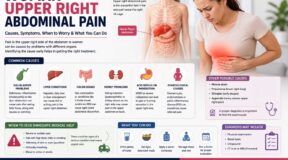
Appendicitis is one important condition to consider. Specifically, early appendicitis pain often begins near the belly button before moving to the lower right side of the abdomen. People looking for more information about possible dietary factors may also ask what food can cause appendicitis. The pain usually becomes more severe over several hours and may come with fever, nausea, or vomiting.
Belly Button Pain During Pregnancy
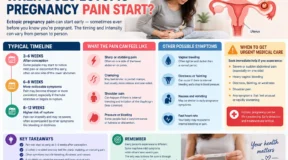
Pregnancy can place extra pressure on the abdomen, making belly button pain more common. As the baby grows, the abdominal muscles stretch and may create soreness near the navel.
An umbilical hernia may also develop during pregnancy because the growing uterus pushes against the abdominal wall. Usually, the discomfort improves after delivery, but persistent pain should always be discussed with a doctor.
When to See a Doctor
Mild belly button pain often improves with rest, hydration, and proper hygiene. However, severe pain, fever, vomiting, swelling, discharge, or redness around the belly button may indicate infection or another serious condition.
Pain that lasts for several days or worsens over time should also be evaluated. Specifically, sudden intense pain with nausea or difficulty moving could signal appendicitis or a strangulated hernia, both of which require urgent medical treatment.
Final Thoughts
Belly button pain can happen for many different reasons, ranging from simple irritation to more serious medical conditions. Understanding symptoms such as belly button pain when stretching, why does my belly button hurt when I pee, why does my belly button hurt when I touch it, and why the inside of the belly button hurts can help identify possible causes.