Stomach burning is a common problem that can happen after eating spicy foods, drinking too much caffeine, experiencing stress, or dealing with acid reflux. The burning sensation may feel uncomfortable and sometimes painful, especially after meals or late at night. Many people search for how to stop stomach burning immediately because they want quick relief from irritation and discomfort.
In most cases, stomach burning is linked to excess stomach acid, indigestion, or irritation in the digestive tract. While occasional burning is usually not serious, frequent symptoms may indicate conditions such as acid reflux, gastritis, ulcers, or heartburn. Understanding the causes and learning safe relief methods can help reduce discomfort and improve digestive health.
Understanding Why Stomach Burning Happens
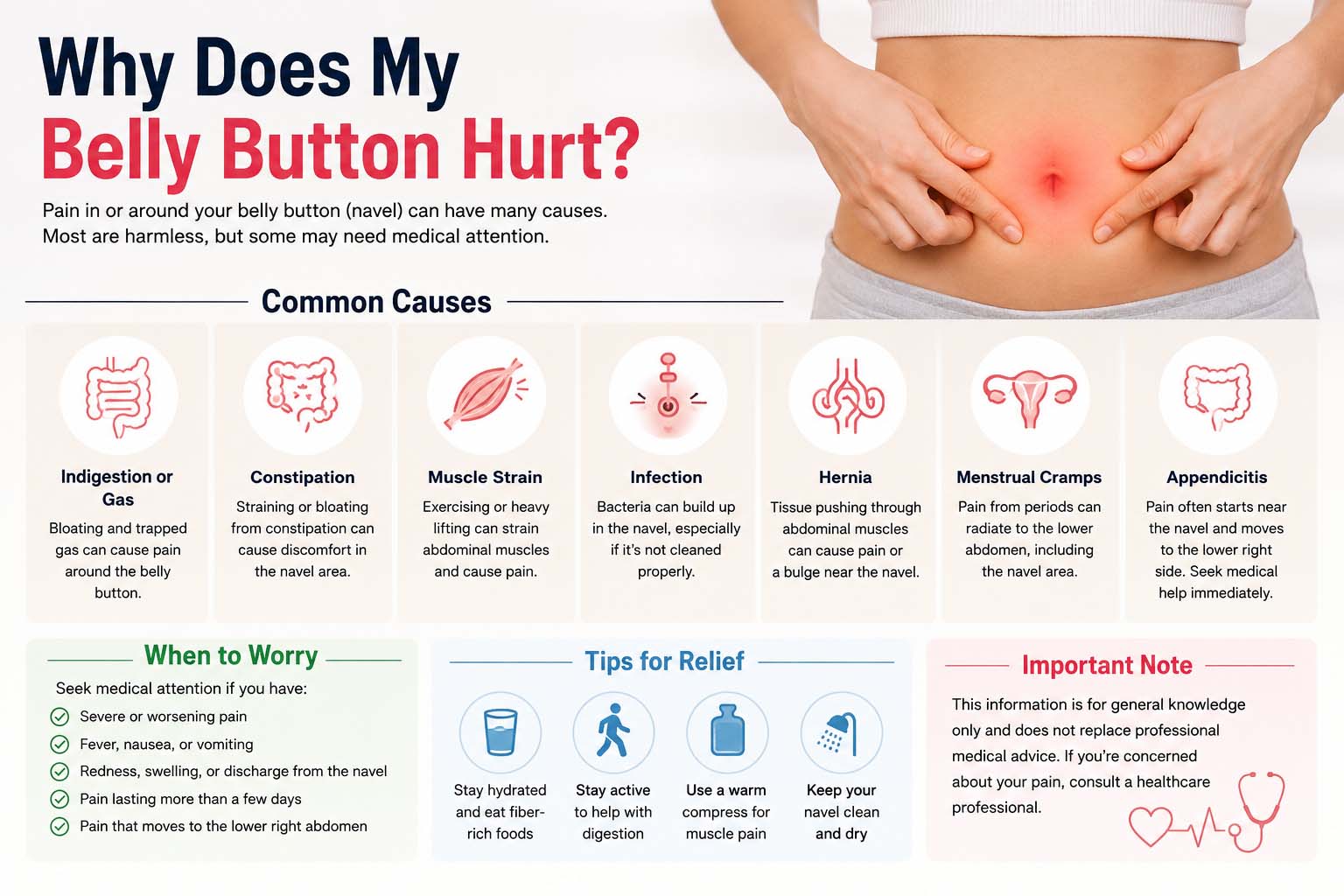
Before learning how to stop stomach burning immediately, it is important to understand why the problem occurs. The stomach naturally produces acid to help digest food. Sometimes, too much acid or irritation can damage the stomach lining and create a burning feeling.
Certain foods are known to trigger stomach burning. Spicy meals, fried foods, citrus fruits, tomatoes, and carbonated drinks may increase stomach acid production. Eating large meals too quickly can also place extra pressure on the digestive system.
Stress and anxiety may worsen digestive symptoms as well. Emotional stress can increase acid production and make the stomach more sensitive. In some people, medications such as pain relievers or anti-inflammatory drugs may irritate the stomach lining and contribute to burning sensations.
Acid reflux is another common cause. This condition happens when stomach acid flows back into the esophagus, creating burning discomfort in the chest or upper stomach. Identifying the cause of the symptoms is an important step toward finding effective relief.
Drink Water Slowly for Quick Relief
One of the simplest ways to reduce stomach burning is by drinking water slowly. Water may help dilute excess stomach acid and calm irritation inside the stomach. Taking small sips instead of drinking quickly can reduce pressure on the digestive system.
Warm water is often more soothing than extremely cold beverages. Some people find that herbal teas such as chamomile or ginger tea also help calm the stomach naturally. Staying hydrated supports healthy digestion and may reduce irritation caused by acid buildup.
However, drinking too much liquid at once may sometimes worsen bloating or reflux. Moderate amounts are usually the best approach for quick relief.
Eat Gentle and Soothing Foods
Food choices play a major role in controlling stomach discomfort. Bland foods may help absorb acid and reduce irritation. Bananas, plain rice, oatmeal, toast, and crackers are commonly recommended because they are gentle on the stomach.
Yogurt may also help because it contains probiotics that support healthy digestion. Cold milk sometimes provides temporary relief by coating the stomach lining, although it may not work for everyone.
Avoiding spicy, greasy, or acidic foods during stomach irritation is important. These foods may worsen inflammation and increase burning sensations. Eating smaller meals throughout the day instead of large heavy meals can also reduce digestive stress.
Try Antacids and Over-the-Counter Relief
Antacids are among the most common treatments for stomach burning and acid reflux. These medications work by neutralizing stomach acid and providing quick relief from burning sensations. Many pharmacies sell antacids without a prescription.
Some medications also reduce acid production in the stomach. These treatments may help people who experience frequent heartburn or digestive irritation. However, medications should be used carefully and according to instructions.
If stomach burning happens regularly, it is important to speak with a healthcare professional instead of relying only on over-the-counter remedies. Persistent symptoms may require medical evaluation to rule out ulcers, infections, or digestive disorders.
Avoid Lying Down After Eating
Body position can strongly affect digestion. Lying down immediately after meals may allow stomach acid to move upward, increasing burning sensations and reflux symptoms. Remaining upright for at least two to three hours after eating can help digestion work more effectively.
Walking slowly after meals may also improve digestion and reduce discomfort. Gentle movement encourages food to move through the digestive tract naturally without increasing stomach pressure.
For nighttime symptoms, elevating the head while sleeping may help prevent acid reflux. Many people notice improvement when they avoid late-night eating and give the stomach enough time to digest food before bed.
Reduce Stress and Anxiety
Stress can significantly affect the digestive system. Emotional tension may increase acid production and make the stomach more sensitive to irritation. Relaxation techniques may help calm both the mind and digestive tract.
Deep breathing, meditation, and light exercise may reduce stress-related stomach discomfort. Getting enough sleep and maintaining healthy daily routines also support digestive health.
Some people notice that stomach burning becomes worse during stressful situations. Learning stress management techniques may help reduce both physical and emotional triggers connected to digestive symptoms.
When to See a Doctor
Occasional stomach burning is common, but certain symptoms may require medical attention. Severe pain, vomiting blood, black stools, difficulty swallowing, or unexplained weight loss should never be ignored.
Frequent stomach burning may indicate acid reflux disease, ulcers, gastritis, or other digestive conditions that require professional treatment. A doctor may recommend testing, medications, or dietary changes depending on the cause.
Natural Prevention Tips
Preventing stomach burning is often easier than treating severe symptoms later. Eating balanced meals, avoiding excessive spicy foods, and limiting alcohol or caffeine may reduce the risk of irritation.
Maintaining a healthy weight can also help because extra abdominal pressure may increase acid reflux. Quitting smoking is another important step since smoking weakens the valve that prevents stomach acid from moving upward.
Regular exercise supports healthy digestion, but intense exercise immediately after meals may worsen symptoms. Moderate physical activity combined with healthy eating habits usually provides the best results.
Conclusion
Understanding how to stop stomach burning immediately can help people manage discomfort and improve digestive health. Simple remedies such as drinking water slowly, eating soothing foods, avoiding spicy meals, reducing stress, and staying upright after eating may provide fast relief.