The appendix is a small pouch attached to the large intestine, and although its exact purpose is not fully understood, inflammation in this area can quickly become serious. Many people wonder what food can cause appendicitis and whether diet plays a role in triggering the condition. While no single food directly causes appendicitis in every case, certain eating habits and low-fiber diets may increase the risk of blockage in the appendix.
Understanding how diet affects digestive health can help people make healthier food choices and possibly reduce the risk of appendix-related problems. Doctors often explain that appendicitis is usually caused by blockage, infection, or inflammation rather than one specific meal. However, food still plays an important role in digestive function and overall gut health.
How Appendicitis Happens
Appendicitis usually begins when the appendix becomes blocked. This blockage may happen because of hardened stool, swelling, infection, or trapped material inside the appendix. Once blocked, bacteria can multiply quickly, leading to inflammation and severe pain.
People commonly ask appendix what food can cause appendicitis because they want to know whether eating certain foods can directly trigger the condition. Medical experts generally agree that poor dietary habits may contribute indirectly. Diets low in fiber can slow digestion and increase constipation, which may raise the chances of blockage in the appendix.
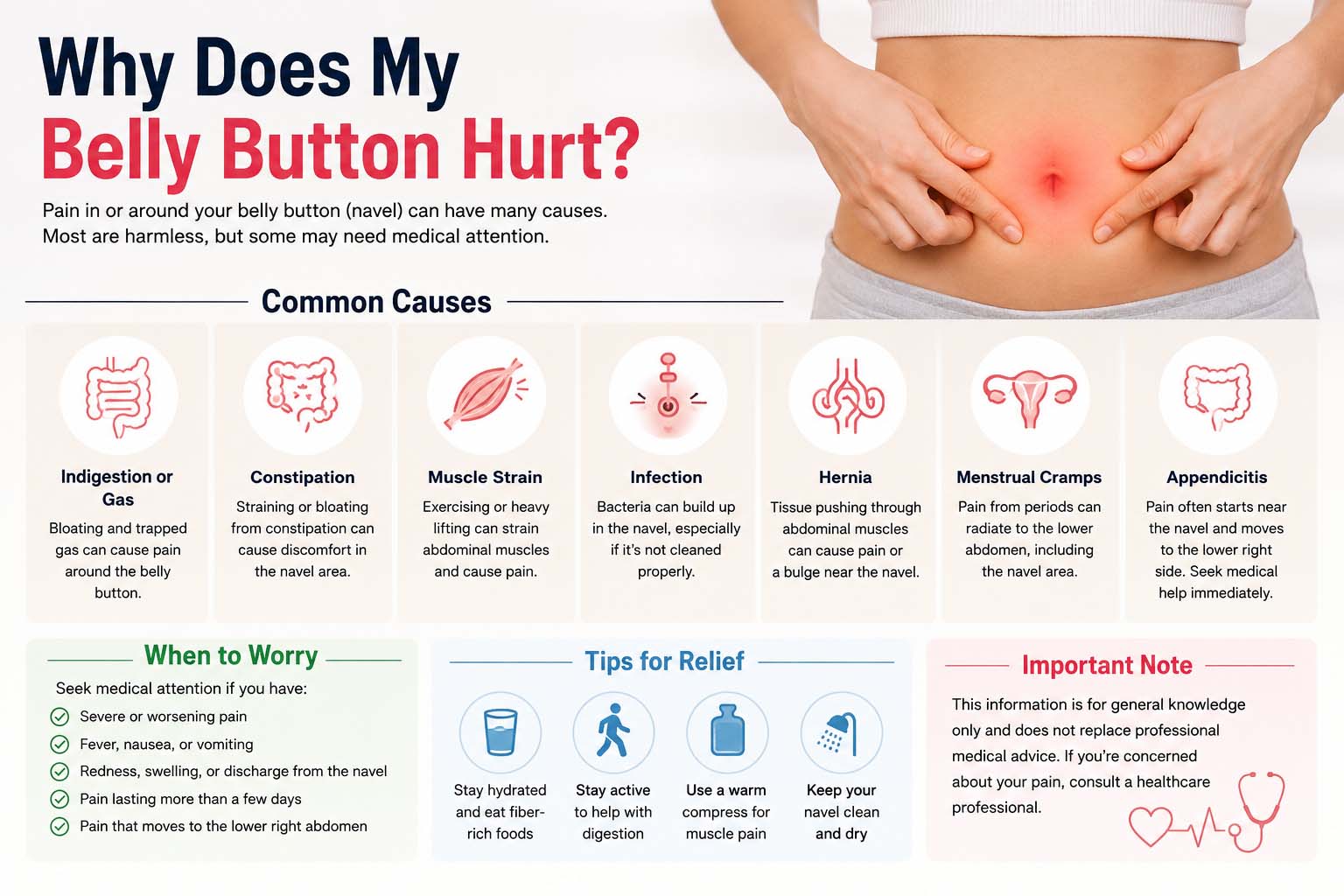
The pain from appendicitis often starts near the belly button and later moves to the lower right side of the abdomen. Other symptoms may include nausea, fever, vomiting, and loss of appetite. Since appendicitis can become dangerous if untreated, medical attention should always be sought immediately.
What Food Can Cause Appendicitis NHS Guidance
Many people search online for what food can cause appendicitis nhs because they want trusted medical advice. According to general medical guidance, no particular food has been officially proven to directly cause appendicitis. However, unhealthy eating patterns may contribute to digestive issues linked with appendix blockage.
Processed foods, excessive fast food, and diets lacking fruits and vegetables may slow bowel movement and increase constipation. This can potentially create conditions where blockage becomes more likely.
Foods heavily processed with refined sugars and unhealthy fats may also negatively affect gut health over time. While these foods alone do not guarantee appendicitis, maintaining a balanced diet rich in fiber may help support healthy digestion.
Fresh vegetables, fruits, whole grains, and adequate water intake are commonly recommended to promote proper bowel function. Maintaining digestive health may lower the likelihood of complications involving the appendix.
What Food Can Cause Appendicitis in a Child
Parents frequently wonder what food can cause appendicitis in a child because appendicitis can occur at young ages. Children sometimes have difficulty explaining abdominal pain, making the condition more concerning for families.
In children, poor eating habits may contribute to digestive discomfort and constipation. Diets high in junk food and low in fiber may increase digestive strain. Children who avoid fruits, vegetables, and healthy meals might experience irregular bowel movements, which could potentially contribute to appendix blockage.
However, appendicitis in children is not always linked to food. Viral infections, swollen lymph tissue, or bacterial infections may also trigger inflammation. Because symptoms in children can worsen quickly, parents should seek medical attention if a child experiences persistent stomach pain, fever, or vomiting.
Appendix What Food Can Cause Appendicitis
The question appendix what food can cause appendicitis often appears because people want a simple explanation for the condition. In reality, appendicitis is more complex than being caused by one food item. Instead, overall dietary patterns may influence digestive health and bowel function.
Some theories suggest that seeds or hard food particles could block the appendix, but scientific evidence supporting this idea is very limited. In the past, people believed foods like nuts, seeds, or popcorn might trigger appendicitis, but modern research has not confirmed this as a common cause.
Instead, experts focus more on the importance of balanced nutrition. Diets lacking natural fiber may slow intestinal movement and increase the chance of constipation. This can potentially contribute to conditions that favor blockage inside the appendix.
Treatment What Food Can Cause Appendicitis
When searching treatment what food can cause appendicitis, many individuals want both prevention advice and information about recovery. Once appendicitis develops, treatment usually requires medical intervention rather than dietary changes alone.
In most cases, doctors treat appendicitis with surgery called an appendectomy. Some mild cases may initially be treated with antibiotics, but surgery remains the most common treatment.
After surgery, doctors often recommend light and easy-to-digest foods during recovery. Soft foods, soups, fruits, and adequate fluids can help the digestive system heal. Heavy, greasy, or highly processed foods are usually avoided during early recovery stages.
Foods That Support Digestive Health
Although no food directly guarantees appendicitis, healthy nutrition can improve digestion and potentially reduce risk factors. Fiber-rich foods play a major role in digestive regularity and intestinal health.
Fruits such as apples, pears, and berries contain natural fiber and nutrients. Vegetables including spinach, broccoli, and carrots support bowel movement and overall wellness. Whole grains like oats and brown rice also contribute to digestive balance.
Hydration is equally important. Drinking enough water helps soften stool and promotes healthy digestion. Physical activity also supports regular bowel movement and may reduce digestive discomfort.
Conclusion
The question what food can cause appendicitis does not have one simple answer because appendicitis is usually caused by blockage or infection rather than a single specific food. However, poor dietary habits and low-fiber diets may contribute to digestive issues that increase the likelihood of appendix inflammation.
People searching for what food can cause appendicitis nhs or what food can cause appendicitis in a child should understand that maintaining digestive health is important for all ages. A balanced diet rich in fruits, vegetables, and whole grains may help support healthy digestion and reduce constipation.