Stage 4 endometriosis is the most severe form of the condition and can significantly affect a person’s quality of life. Many people diagnosed with this advanced stage often wonder about stage 4 endometriosis life expectancy and whether the disease can shorten lifespan. While severe endometriosis may cause chronic pain, fertility challenges, and organ complications, it is generally not considered a fatal condition. Most individuals with stage 4 endometriosis can live a normal lifespan with proper treatment and medical care.
Understanding the symptoms, complications, and treatment options is important for managing the condition effectively. Although stage 4 endometriosis can be physically and emotionally difficult, early diagnosis and long-term management can greatly improve daily life and overall health.
What Is Stage 4 Endometriosis?
Endometriosis occurs when tissue similar to the lining of the uterus grows outside the uterus. In stage 4 endometriosis, the condition becomes extensive and may involve deep implants, scar tissue, cysts on the ovaries, and damage to surrounding organs.
Doctors classify endometriosis into four stages based on severity. Stage 4 is considered severe because of widespread tissue growth and significant adhesions. This stage may affect the ovaries, fallopian tubes, bladder, intestines, and pelvic lining.
Although the disease can become very painful and complex, stage 4 endometriosis life expectancy is usually not dramatically reduced. However, the condition may increase the risk of certain health complications that require medical attention.
Symptoms of Severe Endometriosis
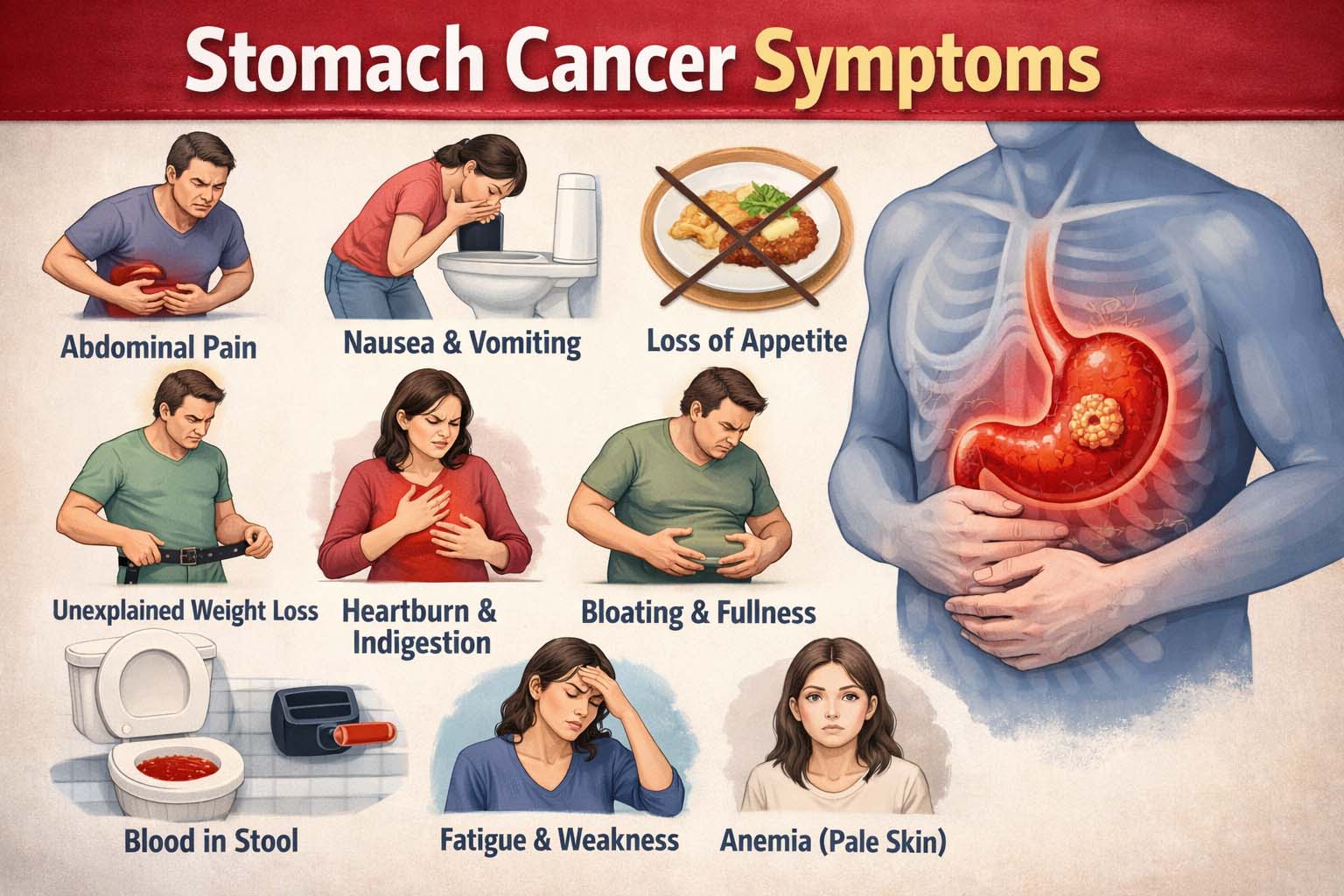
People with stage 4 endometriosis often experience intense symptoms that interfere with everyday life. Chronic pelvic pain is one of the most common problems. Pain may worsen during menstruation, bowel movements, urination, or sexual activity.
Heavy menstrual bleeding and severe cramps are also common symptoms. Some individuals develop ovarian cysts called endometriomas, which can cause additional discomfort and swelling.
Fatigue is another major issue for many patients. Chronic inflammation and ongoing pain can leave individuals feeling physically exhausted. Digestive symptoms such as bloating, constipation, diarrhea, and nausea may also occur when endometrial tissue affects the intestines.
While these symptoms can severely impact quality of life, they do not usually determine stage 4 endometriosis life expectancy directly.
Does Stage 4 Endometriosis Affect Life Expectancy?
A common question many patients ask is whether stage 4 endometriosis shortens lifespan. In most cases, endometriosis itself is not life-threatening. People with the condition generally have a normal life expectancy.
However, severe endometriosis can contribute to complications that may affect overall health. Chronic pain and inflammation can increase stress levels and impact mental health. Some individuals experience anxiety or depression due to years of pain and fertility struggles.
In rare situations, severe endometriosis affecting organs such as the bowel, bladder, or lungs may lead to serious medical complications. These cases usually require surgery or specialized treatment.
Even though stage 4 endometriosis life expectancy is typically normal, managing symptoms early is important to prevent long-term complications and maintain good health.
Fertility Challenges and Emotional Impact
Stage 4 endometriosis is strongly linked to infertility. Scar tissue and adhesions may block the fallopian tubes or damage reproductive organs, making pregnancy more difficult.
The emotional impact of infertility can be significant. Many individuals experience frustration, sadness, and emotional stress while trying to conceive. Fertility treatments such as IVF may help some patients achieve pregnancy despite severe endometriosis.
Living with chronic pain can also affect relationships, careers, and emotional well-being. Support from healthcare professionals, family, and mental health counselors can make a major difference in coping with the disease.
Although fertility challenges are common, they do not usually affect stage 4 endometriosis life expectancy.
Treatment Options for Stage 4 Endometriosis
There is currently no permanent cure for endometriosis, but several treatments can help control symptoms and improve quality of life. Doctors often create individualized treatment plans based on symptom severity, age, and fertility goals.
Hormonal therapies are commonly used to slow the growth of endometrial tissue. Birth control pills, hormone injections, and medications that suppress estrogen production may reduce pain and inflammation.
Pain management is another important part of treatment. Anti-inflammatory medications and lifestyle changes can help reduce discomfort. Some patients also benefit from physical therapy and alternative treatments such as acupuncture.
Surgery is frequently recommended for stage 4 endometriosis. Laparoscopic surgery can remove scar tissue, cysts, and endometrial growths. In severe cases, hysterectomy may be considered if other treatments fail and the patient no longer wishes to become pregnant.
Lifestyle Changes That May Help
Healthy lifestyle habits can support treatment and improve symptom management. Eating a balanced diet rich in fruits, vegetables, and anti-inflammatory foods may help reduce inflammation in the body.
Regular exercise can improve circulation, reduce stress, and help manage chronic pain. Gentle activities such as yoga and walking are often recommended for individuals with pelvic pain.
Stress management is also important. Chronic stress can worsen pain perception and fatigue. Meditation, counseling, and support groups may help patients cope emotionally with the condition.
Complications Associated With Severe Endometriosis
Although stage 4 endometriosis life expectancy is usually normal, severe disease may lead to complications if left untreated. Scar tissue can cause organs to stick together, leading to chronic pelvic pain and digestive problems.
Some patients develop bowel obstruction or urinary complications when endometrial tissue spreads to nearby organs. Rare cases of endometriosis affecting the lungs or diaphragm have also been reported.
There may also be a slightly increased risk of certain ovarian cancers in people with long-term endometriosis. However, the overall cancer risk remains relatively low.
Living With Stage 4 Endometriosis
Living with severe endometriosis can be challenging, but many people continue to lead fulfilling lives. Managing symptoms often requires long-term care and patience. Working closely with experienced healthcare providers can help patients find effective treatment options.
Conclusion
Stage 4 endometriosis is a severe and painful condition that can greatly affect daily life, fertility, and emotional health. However, stage 4 endometriosis life expectancy is generally normal for most people. The condition itself is not usually fatal, but proper treatment is important for reducing symptoms and preventing complications.